
Swing Type Check Valve
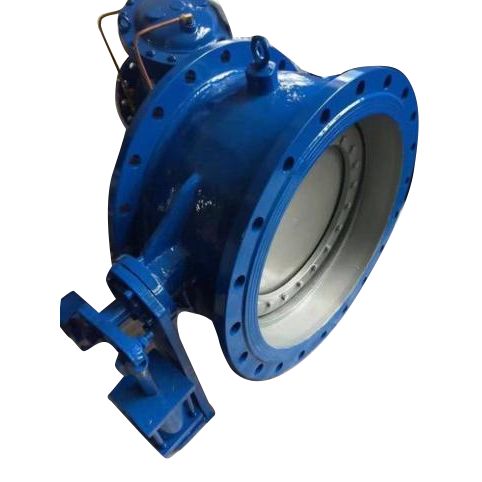
Swing Type Check Valves are essential components in numerous fluid control systems, designed to prevent reverse flow and protect equipment from damage. These valves, including Swing Check Valve and Flap Check Valve designs, operate on a simple yet effective principle: a disc or flap swings on a hinge or trunnion, opening with forward flow and automatically closing when flow stops or reverses. This reliable, non-return action makes them ideal for applications where backflow could cause pump water hammer, contamination, or system efficiency loss. When selecting Swing Check Valves, understanding key technical parameters is crucial for ensuring optimal performance, longevity, and safety within your specific pipeline configuration.
The design of a Swing Type Check Valve prioritizes minimal pressure drop and reliable sealing. The disc, typically connected to the body via an external hinge pin, swings fully open in the flow path, offering unobstructed flow and high CV values. Upon flow cessation or reversal, gravity and the backpressure swiftly return the disc to its seat, creating a tight seal. The interior of the valve body is often streamlined to promote smooth flow characteristics. Materials for the disc and seat are carefully selected based on the service media to ensure corrosion resistance and a durable seal. Common seat materials include Buna-N, EPDM, Viton, and metal, while discs can be made from ductile iron, stainless steel, bronze, or other alloys. For demanding services, a Swing Type Check Valve may feature a spring-assisted closure mechanism to ensure faster closing times, minimizing the potential for water hammer, especially in vertical pipe runs or systems with variable flow rates.
Detailed Technical Specifications
- Type: Swing Check, Flap Check, Tilting Disc Check
- Operation: Automatic, non-return (free-swinging or spring-assisted)
- Body Materials: Ductile Iron, Cast Iron, Carbon Steel, Stainless Steel (304/316), Bronze, Alloy 20
- Disc Materials: Ductile Iron, Stainless Steel, Bronze, Aluminum Bronze, with various coatings
- Seat Materials: Buna-N (Nitrile), EPDM, Viton (FKM), PTFE, Metal (Stainless Steel)
- End Connections: Flanged (ANSI, DIN, JIS, BS), Wafer, Screwed (NPT, BSP), Butt Weld
- Pressure Class: 125 LB, 150 LB, 250 LB, 300 LB, PN10, PN16, PN25, PN40
- Temperature Range: Standard: -20°C to 120°C (-4°F to 248°F). High-temp versions available.
- Sizes: Typically available from 2" (DN50) to 48" (DN1200) and larger for custom orders.
- Standards: API 594, API 6D, ASME B16.34, BS 1868, ISO 5752, MSS-SP-71
| Feature | Standard Swing Check Valve | Spring-Assisted Swing Check Valve | Dual Plate Wafer Check Valve |
|---|---|---|---|
| Closing Mechanism | Gravity & Backflow | Spring + Gravity & Backflow | Torsion Spring |
| Closing Speed | Moderate | Fast | Very Fast |
| Water Hammer Risk | Higher in vertical lines | Significantly Reduced | Minimal |
| Pressure Drop | Low | Low | Low to Moderate |
| Installation Orientation | Horizontal preferred | Horizontal & Vertical | Any position |
| Size & Weight | Larger, Heavier | Larger, Heavier | Compact, Lightweight |
| Ideal Application | Steady flow, horizontal pipes | Pump discharge, vertical pipes, variable flow | Space-constrained, high-cycle systems |
Key Design and Performance Factors
Selecting the correct Swing Type Check Valve involves evaluating several critical factors beyond basic size and pressure rating. The disc's angle of swing and weight directly impact the closing characteristics and the required pressure to open the valve (cracking pressure). Valve orientation is paramount; standard swing checks perform best in horizontal lines with upward flow, while spring-loaded versions are versatile for horizontal or vertical installation. The seat design, whether resilient (soft) or metal-to-metal, determines the sealing tightness (bubble-tight vs. drip-tight) and suitability for abrasive media or high temperatures. For systems with frequent flow reversals or pump cycling, a valve with a quick-closing mechanism is essential to prevent slam and associated pressure surges. Regular inspection points, such as an external hinge pin or cover plate, facilitate easier maintenance without removing the valve from the pipeline.
Related Products





Hot Products
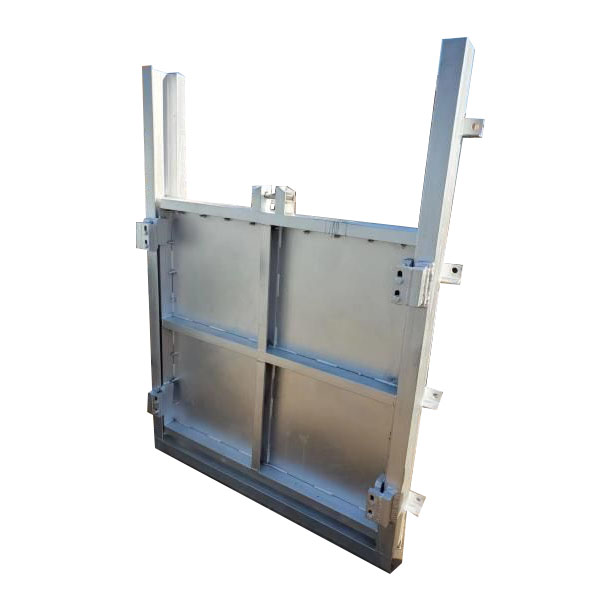
Stainless Steel Penstock Gate Channel Type
FYL is a stainless steel penstock gate channel type manufacturer from China. We have our own factory. After more than ten years of development, we integrate design, production and sales to provide you with high-quality products, comprehensive services and preferential prices. This gate is mainly suitable for water treatment, power stations, hydraulic devices and other scenes. The material and specifications can be customized according to your needs.
Double Girder Gantry Crane
Double girder gantry crane is a special equipment. FYL's factory has been producing and manufacturing this type of equipment and various water conservancy equipment for more than ten years. We have rich experience and a professional team that is very reliable. We accept customized requirements, please feel free to contact us.
Resilient Seat Gate Valve
FYL is factory located in Tianjin China. Factory specialized in producing different type of valves. Resilient seat gate valve is one of major products. Our products has good quality and price advantage, also company available to make OEM products. Welcome inquiries from all over the world.
Fully Enclosed Rubber Joint
FYL is a comprehensive water conservancy equipment manufacturer with a wide range of products, including fully enclosed rubber joint. This is a pipe system connector made of high-quality rubber material with excellent sealing performance. At the same time, we also strengthen its anti-oxidation and anti-corrosion properties during production to extend its service life. If you have specific needs, you can contact us immediately to get the latest quotation and customized service support.
Ductile Iron Sleeve Coupling
FYL is a professional manufacturer specializing in fully enclosed ductile iron sleeve couplings in China, precise torque transmission and excellent sealing performance, which are widely applicable to various industrial shaft connection scenarios, ensuring stable and efficient mechanical transmission.
Pneumatic Gate Valve
FYL is factory located in Tianjin China. Factory specialized in producing different type of valves. Pneumatic Gate Valve is one of major products. Our products has good quality and price advantage, also company available to make OEM products. Welcome inquiries from all over the world.
- Related Blog
- Reviews