

Ductile Iron Pipe Fittings: What Should You Know Before Choosing the Right Solution?
In water supply, wastewater treatment, and industrial piping systems, reliable pipe connections are essential for maintaining long-term system performance. Ductile Iron Pipe Fittings play an important role in creating durable, flexible, and secure pipeline networks.
Known for their high mechanical strength, excellent durability, and pressure resistance, ductile iron fittings are widely used in municipal infrastructure, water distribution systems, fire protection networks, and industrial applications.
This article explains what ductile iron pipe fittings are, their advantages, common types, applications, and key factors to consider when selecting the right fittings for your pipeline project.
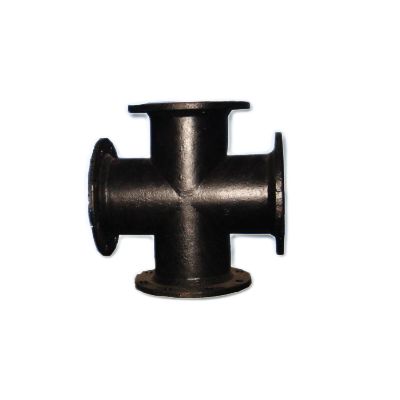
What Are Ductile Iron Pipe Fittings?
Ductile Iron Pipe Fittings are pipeline connection components manufactured from ductile cast iron. They are designed to connect pipes, change flow direction, create branch lines, and provide secure transitions in piping systems.
Compared with traditional cast iron materials, ductile iron features an improved graphite structure that provides better strength, toughness, and impact resistance.
Common ductile iron pipe fittings include:
- Elbows
- Tees
- Reducers
- Cross fittings
- Flanges
- Couplings
- End caps
These fittings are commonly installed together with ductile iron pipes to build complete pipeline systems for different applications.
How Do Ductile Iron Pipe Fittings Work?
Ductile iron pipe fittings provide connection points between different pipeline sections. Depending on the design, they perform different functions in piping systems.
Changing Pipeline Direction
Elbow fittings allow pipelines to change direction while maintaining a stable connection and smooth flow path.
Creating Branch Connections
Tee and cross fittings allow pipelines to divide into multiple directions, making them suitable for water distribution and industrial piping layouts.
Connecting Different Pipe Sizes
Reducers are used to connect pipes with different diameters and help create smooth transitions between pipeline sections.
Providing Secure Pipeline Connections
Flanged and mechanical joint fittings provide reliable connections that can withstand internal pressure and external loads.
Key Advantages of Ductile Iron Pipe Fittings
High Mechanical Strength
Ductile iron fittings provide excellent mechanical strength and impact resistance, making them suitable for underground pipelines and demanding operating environments.
Their strong structure helps withstand:
- Internal pressure
- External loads
- Soil movement
- Mechanical stress
Excellent Durability
Ductile iron pipe fittings are designed for long-term service in water supply systems, infrastructure projects, and industrial applications.
Their durable structure helps reduce replacement frequency and supports stable pipeline operation.
Good Corrosion Resistance
With proper surface protection and coating systems, ductile iron fittings can provide reliable corrosion resistance in different installation environments.
Common protection methods include:
- Protective coatings
- Cement lining
- External surface treatments
Wide Range of Applications
Ductile iron fittings can be used in various pipeline systems, including water transportation, wastewater treatment, fire protection, and industrial applications.
Strong Impact Resistance
Compared with more brittle materials, ductile iron provides better toughness and can withstand impact during transportation, installation, and operation.
Common Types of Ductile Iron Pipe Fittings
Ductile Iron Elbows
Elbows are used to change the direction of pipelines. Common designs include 45-degree and 90-degree elbows, which are widely used in water supply and underground piping systems.
Ductile Iron Tees
Tee fittings provide branch connections and allow pipeline systems to distribute flow into different directions.
Typical applications include:
- Water distribution networks
- Fire protection systems
- Industrial pipelines
Ductile Iron Reducers
Reducers connect pipes with different diameters and help maintain efficient flow transitions within pipeline systems.
Ductile Iron Flanges
Flanged fittings provide strong and detachable connections, making them suitable for systems requiring inspection, maintenance, or equipment connection.
Ductile Iron Couplings
Couplings are used to connect pipe sections and provide flexible installation solutions for pipeline construction.
Applications of Ductile Iron Pipe Fittings
Municipal Water Supply Systems
Ductile iron fittings are widely used in municipal water networks because of their strength, durability, and reliable connection performance.
Applications include:
- Drinking water pipelines
- Water distribution networks
- Water transmission systems
Wastewater Treatment Systems
Wastewater systems require durable pipeline components that can handle challenging environments. Ductile iron fittings are commonly used in sewage and drainage applications.
Fire Protection Systems
Fire protection pipelines require reliable pressure performance and secure connections. Ductile iron fittings are commonly used in underground fire water systems.
Industrial Piping Systems
Industrial facilities use ductile iron fittings for fluid transportation systems where strength, durability, and connection reliability are important.
How to Choose the Right Ductile Iron Pipe Fittings?
Pipe Size and Connection Type
The fitting size should match the pipeline specifications. Important factors include:
- Pipe diameter
- Connection method
- Installation requirements
- System design
Working Pressure
Select fittings according to the pressure requirements of the pipeline system.
Consider:
- Normal operating pressure
- Pressure fluctuations
- Safety requirements
Application Environment
The installation environment affects material protection requirements.
Consider:
- Underground or above-ground installation
- Soil conditions
- Moisture exposure
- Corrosion risks
Coating and Protection
Different applications may require different coating solutions to improve corrosion resistance and extend service life.
Installation Considerations for Ductile Iron Pipe Fittings
Check Pipeline Alignment
Ensure that pipes and fittings are correctly aligned before connection to avoid unnecessary stress on the pipeline system.
Ensure Proper Sealing
Check gaskets, bolts, and connection components carefully to reduce leakage risks and maintain reliable performance.
Follow Installation Requirements
Professional installation procedures help ensure stable operation and improve the service life of ductile iron piping systems.
How to Choose a Reliable Ductile Iron Pipe Fittings Supplier?
Manufacturing Capability
A professional supplier should have experience in ductile iron casting, machining, coating processes, and quality control.
Product Range
A complete range of ductile iron fittings allows customers to select suitable components for different pipeline projects.
Quality Control
Reliable manufacturers should focus on:
- Material inspection
- Dimensional accuracy
- Surface quality
- Performance testing
Customization Support
Some projects may require customized solutions according to:
- Pipeline design
- Connection requirements
- Operating conditions
Frequently Asked Questions About Ductile Iron Pipe Fittings
What are ductile iron pipe fittings used for?
Ductile iron pipe fittings are used to connect, redirect, branch, and complete pipeline systems in water, wastewater, fire protection, and industrial applications.
Are ductile iron fittings suitable for underground pipelines?
Yes. Their high strength and durability make them widely used in underground water supply and infrastructure projects.
What types of ductile iron fittings are available?
Common types include elbows, tees, reducers, flanges, couplings, and end caps.
How do I select the right ductile iron pipe fittings?
Selection should consider pipe size, connection type, pressure requirements, installation environment, coating requirements, and supplier manufacturing capability.
Ductile Iron Pipe Fittings are essential components for building reliable and durable pipeline systems. With strong mechanical performance, corrosion resistance, and flexible connection options, they are widely used in municipal, industrial, and infrastructure applications.
When selecting ductile iron fittings, buyers should evaluate project requirements, operating conditions, product quality, and supplier experience to ensure a suitable solution for their applications.