In many industrial systems, controlling the flow of liquids and gases is essential for safe and efficient operation. Among various types of industrial valves, the Butterfly Valve has become one of the most widely used flow control solutions due to its compact structure, lightweight design, and fast operation.
Although a butterfly valve looks relatively simple compared with other valve types, its internal structure involves precise engineering. From water treatment plants and chemical processing facilities to HVAC systems and power industries, butterfly valves are playing an important role in modern fluid management.
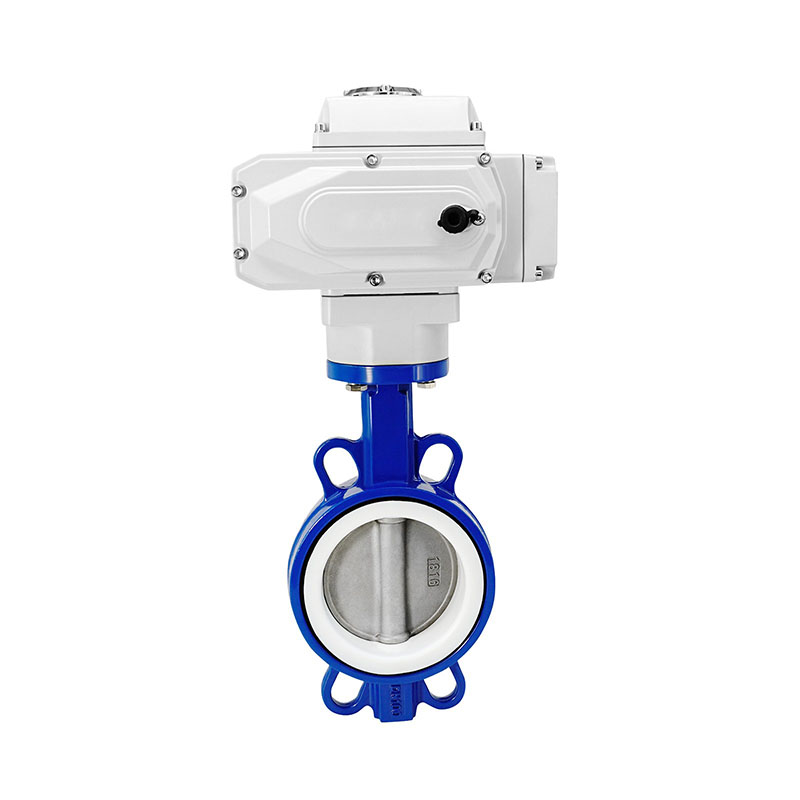
Why Are Butterfly Valves Widely Used in Industrial Applications?
One reason butterfly valves have gained popularity is their balance between performance and practicality.
Compared with many traditional valve designs, butterfly valves offer:
Compact structure
Lower weight
Easy installation
Quick operation
Lower material consumption
Reduced maintenance requirements
Because of these characteristics, they are commonly used in systems where frequent flow control is required.
Typical applications include:
Water supply systems
Wastewater treatment
HVAC pipelines
Food and beverage processing
Chemical industries
Fire protection systems
Marine applications
An Industry Secret: The Valve Disc Is the Core of Butterfly Valve Performance
Many people focus on the outside appearance of a valve, but engineers know that the disc design greatly influences performance.
The disc directly interacts with the flowing medium, affecting:
Flow resistance
Pressure loss
Sealing performance
Service life
A well-designed disc can reduce turbulence and improve operational efficiency.
Different industries may require different disc materials, such as:
Stainless steel
Ductile iron
Aluminum bronze
Special alloys
The material selection depends on factors including:
Fluid characteristics
Temperature
Pressure
Corrosion requirements
Different Types of Butterfly Valves and Their Applications
Wafer Butterfly Valve
The wafer butterfly valve is designed to fit between two pipeline flanges.
Advantages:
Lightweight structure
Space-saving installation
Cost-effective design
It is widely used in water systems, HVAC, and general industrial pipelines.
Lug Butterfly Valve
A lug butterfly valve includes threaded inserts around the valve body.
Benefits include:
Easier maintenance
Suitable for systems requiring pipe section removal
Better installation flexibility
Flanged Butterfly Valve
Flanged butterfly valves connect directly with pipeline flanges.
They are often used for:
Larger pipeline systems
Higher pressure applications
Industrial process systems
Butterfly Valve Materials: Why Material Choice Matters
Different working environments require different materials.
Common material combinations include:
Part Common Materials
Body Cast Iron, Ductile Iron, Stainless Steel, Carbon Steel
Disc Stainless Steel, Ductile Iron, Aluminum Bronze
Seat EPDM, NBR, PTFE, Rubber Materials
Shaft Stainless Steel
For example:
EPDM seats are commonly used in water applications
PTFE seats are suitable for chemical resistance requirements
Stainless steel components are preferred in corrosive environments
The Hidden Challenge: Sealing Technology Determines Valve Reliability
A butterfly valve must achieve reliable sealing while allowing smooth rotation.
The sealing system needs to balance:
Low operating torque
Tight shutoff performance
Long service life
Common sealing designs include:
Resilient seated butterfly valves
High-performance butterfly valves
Triple-offset butterfly valves
Triple-offset designs are particularly important for demanding applications because the disc movement reduces friction between sealing surfaces, helping improve durability.
Automation Trends: Butterfly Valves Are Becoming Smarter
Traditional butterfly valves are manually operated, but modern industrial systems increasingly use automated control.
Common actuator options include:
Pneumatic Actuators
Used where fast operation and industrial automation are required.
Electric Actuators
Suitable for applications requiring precise remote control.
Hydraulic Actuators
Used in large systems requiring high operating force.
With sensors and digital control systems, butterfly valves can now become part of intelligent pipeline management systems.
Future Development Trends of Butterfly Valves
Higher Performance Materials
New materials and surface treatments are improving resistance to:
Corrosion
Wear
Extreme temperatures
Smart Valve Management
Future valve systems will increasingly integrate:
Position monitoring
Remote control
Predictive maintenance
Industrial IoT systems
Energy-Efficient Flow Control
Optimized valve designs help reduce pressure loss and improve overall system efficiency.
Conclusion: Butterfly Valves Remain an Essential Part of Industrial Flow Control
Although a Butterfly Valve has a relatively simple structure, its role in industrial systems is far from simple.
Through continuous improvements in materials, sealing technology, and automation, butterfly valves have become reliable solutions for controlling liquids and gases across many industries.
From municipal water systems to advanced industrial processes, this compact valve continues to support efficient and safe fluid management around the world.