

How Can a Mechanical Bar Screen Improve Wastewater Handling Efficiency?
Article Summary
Mechanical bar screens serve as the first line of defense in wastewater treatment systems by intercepting large solids and debris before water proceeds through pumps or downstream processes. This article breaks down how mechanical bar screens work, why they are essential in industrial and municipal water treatment, what design and operating considerations matter most, and responses to common questions potential buyers and system operators typically ask. Clear explanations, practical visuals in tables, and actionable insight aim to address common concerns related to performance, maintenance, and long-term use.
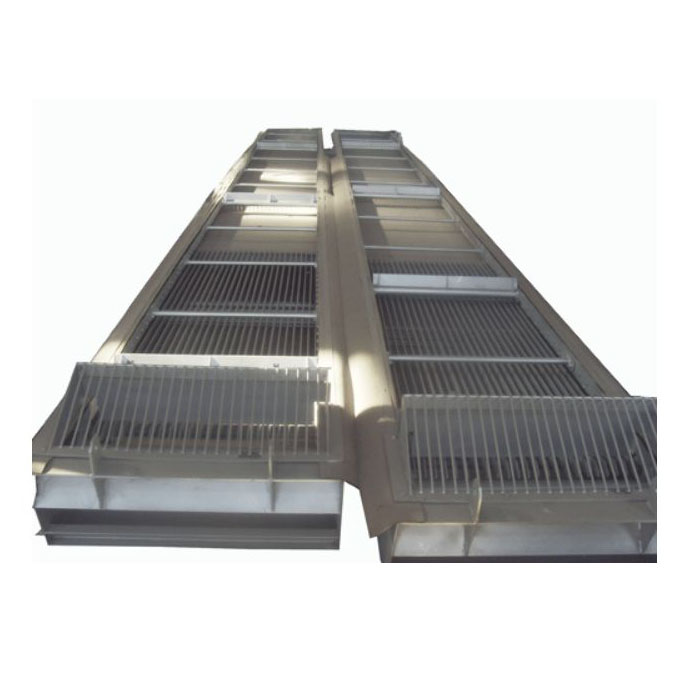
Table of Contents
- Introduction to Mechanical Bar Screens
- How Mechanical Bar Screens Operate
- Key Components and Design Parameters
- Factors to Consider When Selecting a Unit
- Frequently Asked Questions
- Conclusion and Contact Information
Introduction to Mechanical Bar Screens
A mechanical bar screen is a specialized solid-liquid separation device installed at the headworks of wastewater and stormwater systems to intercept large debris and prevent downstream equipment damage. These screens typically consist of a series of vertical bars or grates spaced to capture solids of a defined size range while allowing water to flow through. Mechanical bar screens are widely used in municipal wastewater treatment plants, pump stations, industrial effluent pre-treatment, and any setting where large solids can damage pumps, clog pipelines, or hinder biological treatment processes.
How Mechanical Bar Screens Operate
Mechanical bar screens function by placing a barrier of rigid bars with openings tailored to the application’s debris size. As wastewater flows through the bars, solids larger than the bar spacing are retained on the upstream side. Depending on the configuration, these solids are then removed either manually or automatically by integrated cleaning mechanisms such as rakes or combs driven by motors or hydraulics.
Automatic mechanical bar screens continuously or periodically clean the bar rack, lifting trapped material to a discharge point for removal. This automation helps maintain screening performance and prevents flow interruption.
Key Components and Design Parameters
Mechanical bar screens vary by design, but the following elements are typically present in most systems:
- Bar rack or grate – spaces are sized to match targeted debris removal.
- Drive system – motor or hydraulic drive for the cleaning mechanism.
- Cleaning mechanism – rake chains, combs, or brushes that clear debris from bars.
- Discharge trough – conveys collected screenings to disposal containers.
- Support frame and housing – ensures structural integrity and installation stability.
The following table highlights typical design parameters used as selection criteria:
| Parameter | Typical Range / Options |
|---|---|
| Bar Spacing | 3 mm – 30 mm (customizable) |
| Material | Stainless Steel 304 / 316 |
| Channel Width | 500 – 3000 mm |
| Installation Angle | 60° – 75° Inclined or Vertical |
| Motor Power | 0.75 – 3.0 kW |
| Cleaning Mechanism | Rake, Brush, Chain or Combination |
Factors to Consider When Selecting a Unit
Choosing the right mechanical bar screen depends on multiple operational and site-specific factors:
- Debris Profile – Assess the type and size of solids expected in influent to determine bar spacing and cleaning design.
- Flow Capacity – Systems must be sized to handle peak wastewater flow rates without overflow or bypass.
- Installation Environment – Confined channels, varying channel depths, and space constraints affect design choices.
- Maintenance Requirements – Automatic cleaning reduces manual labor but may require more complex servicing.
- Material and Corrosion Resistance – Materials like stainless steel improve longevity in aggressive wastewater environments.
Frequently Asked Questions
Q: What is the primary purpose of a mechanical bar screen?
A: The primary purpose is to intercept and remove large solids and debris from moving wastewater streams to protect downstream pumps, pipelines, and treatment units from damage or clogging before further treatment.
Q: How does the cleaning mechanism work on an automatic mechanical bar screen?
A: Automatic systems typically use a driven rake or comb mechanism that moves along the bar rack to lift accumulated solids up toward a discharge trough, where they are collected in a bin or conveyor for disposal, allowing continuous or periodic operation without manual cleaning.
Q: Can mechanical bar screens handle variable flow conditions?
A: Yes, proper design accounts for peak and fluctuating flows, and automatic units often include controls to adjust cleaning frequency or speed based on water levels or debris load.
Q: What are common maintenance issues with mechanical bar screens?
A: Common issues include wear on drive components, misalignment of bars or cleaning mechanisms, and corrosion from long-term exposure to wastewater. Regular inspection and lubrication help prevent failures and maintain effective operation.
Conclusion and Contact Information
Mechanical bar screens are essential for maintaining reliable and efficient wastewater handling systems. By intercepting large solids at the earliest stage of treatment, these devices protect critical infrastructure, reduce maintenance needs downstream, and support consistent system performance. Thoughtful selection based on debris characteristics, flow rates, and installation site conditions ensures long-term operational success.
FYL provides a range of mechanical bar screen solutions tailored for municipal, industrial, and commercial wastewater systems, combining robust design, corrosion-resistant materials, and configurable options to meet diverse site requirements. To discuss product specifications, customization, or project applications, please contact us for expert support and guidance.