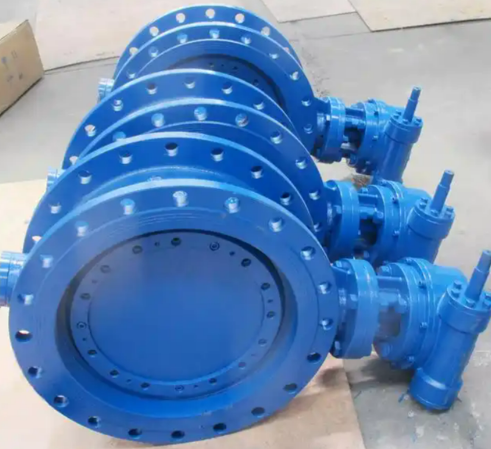

Difference Between Eccentric and Concentric Butterfly Valves
Butterfly valves are widely used for flow control in piping systems, with eccentric and concentric (or centerline) types being two common designs. The main difference lies in the position of the stem relative to the disc.
In a concentric butterfly valve, the stem passes through the center of the disc, which is also aligned with the pipe’s centerline. This simple design offers low cost and compact size, making it suitable for low-pressure, non-critical applications like HVAC or water treatment. However, the disc constantly contacts the seat during operation, causing wear and limiting its use in high-pressure or high-temperature services.
In contrast, an eccentric butterfly valve has its stem offset from the disc center—either single, double, or triple offset. This offset reduces friction between the disc and seat during opening and closing, resulting in longer service life, better sealing, and suitability for more demanding applications such as steam, oil, and gas. Triple-offset valves, in particular, provide bubble-tight shut-off and handle high temperatures and pressures effectively.
In summary, concentric valves are economical and simple but limited in performance, while eccentric valves offer enhanced durability, sealing, and versatility for industrial use.