

How Does a Ball Valve Improve Industrial Fluid Control?
Article Abstract
A Ball Valve is a fundamental component in industrial fluid control systems, providing precise shut-off, minimal pressure drop, and reliable long-term performance. This article explores ball valve design, material selection, operational principles, installation, and common troubleshooting practices. It also addresses frequently asked questions to guide users in selecting and maintaining high-quality ball valves suitable for diverse industrial applications.
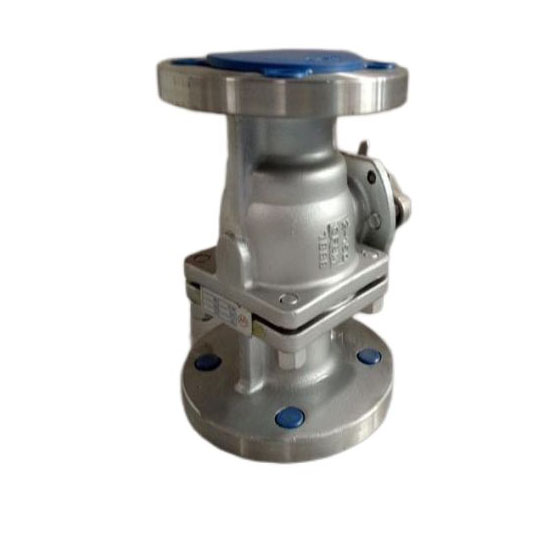
Table of Contents
- Article Outline
- Ball Valve Overview and Core Functions
- Structure and Operational Logic
- Technical Parameters and Material Selection
- Applications Across Industries
- Maintenance and Installation Considerations
- Ball Valve FAQ
- Conclusion and Contact Information
Article Outline
- Introduction to ball valve importance in fluid control
- Structural components and operation principle
- Material choices and technical parameters
- Industrial and commercial application scenarios
- Installation and maintenance best practices
- Common questions and professional answers
- Brand mention and business contact guidance
Ball Valve Overview and Core Functions
A ball valve is a quarter-turn valve that uses a spherical ball with a central bore to control fluid flow. It provides reliable shut-off and low-pressure loss, making it ideal for high-pressure and high-temperature industrial applications. The primary purpose of a ball valve is to allow rapid opening and closing while ensuring leak-proof operation, even under demanding conditions.
Ball valves are widely used in chemical, oil and gas, water treatment, and food processing industries. Their simple mechanism ensures durability and reduces maintenance costs over long-term operation.
Structure and Operational Logic
A standard ball valve consists of several key components that define its functionality and performance:
- Body and end connections – forms the pressure-bearing shell
- Ball with a central bore – controls flow by rotation
- Stem – connects actuator or handle to the ball
- Seats – provide sealing between ball and body
- Seals and packing – prevent leakage along the stem
- Actuator or manual handle – enables quarter-turn operation
The operational principle is straightforward: rotating the ball 90 degrees opens or closes the flow path. Proper design ensures minimal friction, consistent sealing, and high cycle life.
Technical Parameters and Material Selection
Technical parameters and material choices are crucial to ensure compatibility with various industrial fluids and operating conditions. Key parameters include pressure rating, temperature range, flow capacity, and corrosion resistance.
| Parameter | Specification |
|---|---|
| Material | Stainless Steel 304/316, Carbon Steel, Brass |
| Pressure Rating | PN10–PN63 / ANSI 150–600 |
| Temperature Range | -40°C to 200°C |
| Connection Type | Threaded, Flanged, Welded |
| Seal Material | PTFE, Reinforced PTFE, NBR, FKM |
| Design Lifetime | Over 10,000 cycles |
Selection of the right material and connection type depends on fluid properties, system pressure, and temperature requirements.
Applications Across Industries
Ball valves are highly versatile, with applications spanning multiple industrial sectors. Common usage scenarios include:
- Chemical processing – handling corrosive liquids with high-pressure systems
- Oil and gas pipelines – controlling crude oil, natural gas, and refined products
- Water treatment facilities – managing potable water, wastewater, and cooling systems
- Food and beverage industry – maintaining hygiene standards with sanitary valves
- HVAC systems – regulating heating and cooling fluid flow
Their reliable sealing and fast operation make ball valves suitable for both on/off applications and flow regulation with specialized designs.
Maintenance and Installation Considerations
Proper installation and maintenance are essential for long-term performance. Best practices include:
- Ensuring correct alignment with piping system and avoiding stress on connections
- Regular inspection for leakage and wear on seats and seals
- Periodic cleaning to prevent build-up in high-particulate fluid systems
- Lubricating stem and seals as required for low-friction operation
- Verifying actuator torque settings for automated systems
Following these practices reduces downtime and extends valve service life.
Ball Valve FAQ
Q: How do I choose the correct ball valve for high-pressure applications?
A: Evaluate system pressure, temperature, fluid type, and connection requirements. Stainless steel or high-grade carbon steel valves with appropriate seal materials are recommended for high-pressure environments.
Q: Can ball valves be used for throttling purposes?
A: Standard ball valves are primarily designed for on/off operation. Specialized V-port ball valves allow limited flow regulation with controlled pressure drop.
Q: How often should ball valves be inspected and maintained?
A: Inspection frequency depends on operational conditions, but annual checks for leakage, seal wear, and lubrication are recommended to ensure reliable performance.
Conclusion and Contact Information
Ball valves play a crucial role in industrial fluid control, providing rapid operation, reliable sealing, and long-term durability. Selecting the correct valve material, size, and connection type is critical for optimal performance.
Tianjin Fuyaolai Technology Co., Ltd. offers a comprehensive range of high-quality ball valves suitable for diverse industrial applications. For detailed specifications, project consultation, or customized solutions, please contact us to discuss your requirements and secure expert support for your fluid control systems.