

How Does a Steel Penstock Gate Solve Your Water Control Challenges?
Summary: A steel penstock gate is a critical component in water control systems used in hydropower plants, irrigation canals, dams, and industrial water management. This article explains fundamental concepts, operational benefits, design features, common challenges customers face, and how to select the optimal steel penstock gate solution.
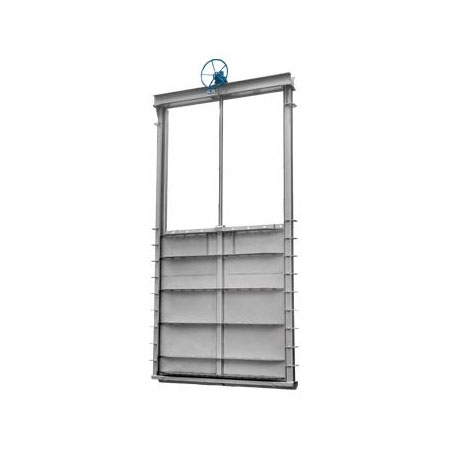
Table of Contents
- Introduction to Steel Penstock Gates
- Key Functions and Components
- Common Customer Pain Points
- Design and Material Considerations
- Operation and Maintenance Best Practices
- Selection Guide for Steel Penstock Gates
- Comparison: Steel vs Other Materials
- Case Studies of Effective Implementation
- FAQs
- Conclusion with Contact Us
Introduction to Steel Penstock Gates
Steel penstock gates are engineered barriers installed in pressurized water conduits to regulate flow, isolate sections for maintenance, and protect downstream infrastructure. They are indispensable in power generation, flood control, irrigation, and municipal water systems. Unlike simple sluice gates, penstock gates operate under significant pressure differentials, requiring robust design and precise manufacturing.
Key Functions and Components
Understanding the structure and role of steel penstock gates is fundamental to recognizing their value. At a high level, a steel penstock gate system consists of several integral parts that work together to control water flow efficiently.
- Gate Leaf: The main barrier that blocks or allows water passage.
- Frame: The structural boundary that supports the gate leaf.
- Actuator: Manual or powered device that moves the gate leaf.
- Sealing Mechanism: Ensures minimal leakage when the gate is closed.
- Guide Rails: Keep the gate aligned during operation.
Common Customer Pain Points
Operators of water control infrastructure frequently report challenges that can degrade performance, increase downtime, and elevate operating costs. Common pain points include:
- Leakage under High Pressure: Poor sealing leads to water loss and increased wear.
- Difficulty in Operation: Heavy or poorly balanced gates require excessive force or can fail mechanically.
- Corrosion and Material Degradation: Exposure to water and sediment accelerates wear.
- Costly Maintenance Downtime: Frequent servicing interrupts operations and increases budget strain.
Addressing these issues requires a combination of superior design, appropriate material selection, and a responsive support system from manufacturers.
Design and Material Considerations
Steel is a preferred material for penstock gates due to its high strength, weldability, and adaptability to custom design requirements. Key design elements include:
- Plate Thickness and Reinforcement: Engineered according to pressure ratings and safety factors.
- Surface Treatment: Galvanizing, painting, or specialized coatings to combat corrosion.
- Actuation System: Selection between hydraulic, electric, or manual systems based on application.
- Seal Types: Rubber, neoprene, or composite seals selected for pressure and temperature conditions.
Operation and Maintenance Best Practices
Proper operation and maintenance maximize service life and reduce total cost of ownership. Recommended practices include:
| Activity | Frequency | Purpose |
|---|---|---|
| Visual Inspection | Weekly | Detect early signs of wear or leakage |
| Seal Inspection | Quarterly | Ensure effective sealing and minimize leakage |
| Actuator Check | Biannually | Verify reliable gate movement and avoid sticking |
| Full System Test | Annually | Assess performance under operational conditions |
Regular maintenance enhances reliability and prevents costly emergency repairs.
Selection Guide for Steel Penstock Gates
Choosing the right steel penstock gate involves evaluating the following criteria:
- Water Pressure Rating: Gates must be rated above the maximum expected pressure to ensure safety and durability.
- Operational Environment: Consider corrosive agents, sediment load, and temperature extremes.
- Actuation Preference: Automated systems provide precision, while manual systems offer simplicity and reduced cost.
- Maintenance Support: Supplier capability in parts supply and technical support is critical.
Comparison: Steel vs Other Materials
While materials such as aluminum and composites are used in low-pressure applications, steel remains the dominant choice where durability and strength are paramount. The table below contrasts steel penstock gates with alternative materials.
| Feature | Steel | Aluminum/Composite |
|---|---|---|
| Strength | High | Medium |
| Corrosion Resistance | Improved with coatings | Inherent (in some composites) |
| Cost | Moderate | Variable |
| Maintenance | Periodic | Lower but performance limits |
Case Studies of Effective Implementation
Hydropower Plant Retrofit: An aging hydropower facility replaced outdated gates with new steel penstock gates featuring hydraulic actuation and advanced seals. The result was a 35% reduction in leakage and smoother operation under variable flow conditions.
Irrigation Canal Upgrade: A large-scale irrigation system installed custom-designed steel penstock gates to manage seasonal flows. The gates delivered precise control and reduced manual effort significantly.
These examples illustrate how engineering improvements translate into operational benefits.
Frequently Asked Questions (FAQ)
Q1: What makes steel penstock gates superior for high-pressure applications?
Steel’s tensile strength and customizable reinforcement enable it to withstand high water pressures that other materials cannot reliably manage.
Q2: How often should seals be replaced?
Seal lifespan varies with usage and conditions, but a quarterly inspection schedule helps determine when replacement is necessary before performance degradation.
Q3: Can penstock gates be automated?
Yes, hydraulic or electric actuators can automate gate movement for precise remote operation, reducing onsite manpower requirements.
Q4: What design standards should I look for?
Industry standards such as those from the American Water Works Association (AWWA) or International Organization for Standardization (ISO) provide verified guidelines for design and safety.
Conclusion
Steel penstock gates are essential for effective water control in a wide range of applications. By understanding design principles, operational needs, and maintenance best practices, operators can significantly enhance system performance and reduce lifecycle costs. FYL offers engineered solutions tailored to your requirements, combining robust materials, precise manufacturing, and responsive support.
Contact us today to learn how our steel penstock gates can resolve your water control challenges and support long-term performance goals.