

What Makes a Gantry Crane Essential for Industrial Operations?
Summary: Gantry cranes are indispensable in modern industrial environments, providing efficient lifting and transport solutions for heavy loads. This article explains their types, key specifications, operational advantages, and safety considerations. It also addresses common questions to guide buyers in selecting the ideal crane for their facility.
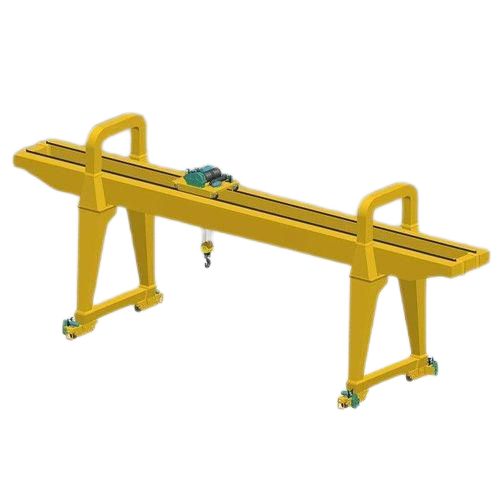
Table of Contents
- Gantry Crane Overview
- Types of Gantry Cranes
- Key Specifications and Parameters
- Advantages of Gantry Cranes
- Safety Considerations
- Frequently Asked Questions
- Conclusion & Contact
Gantry Crane Overview
A gantry crane is a crane built atop a gantry structure that straddles an object or workspace. Unlike fixed overhead cranes, gantry cranes often feature a wheeled or rail-mounted base, providing mobility across the workspace. They are commonly used in shipyards, manufacturing plants, and warehouses to handle extremely heavy or bulky items.
The structure consists of a horizontal beam supported by vertical legs. A hoist travels along the beam to lift, lower, and transport loads. Gantry cranes can be custom-engineered to meet operational requirements, such as lifting capacity, span width, and operational environment.
Types of Gantry Cranes
Understanding different gantry crane types helps determine the best fit for specific industrial needs. Common types include:
- Single Girder Gantry Crane: Ideal for light to medium loads. Features a single beam with a hoist mounted on top. Suitable for smaller workshops and warehouses.
- Double Girder Gantry Crane: Supports heavy-duty lifting. Two parallel beams provide stability for lifting large or bulky loads.
- Container Gantry Crane: Designed for port operations, capable of lifting shipping containers efficiently.
- Portable Gantry Crane: Mobile cranes for flexible operations, often used in repair shops or assembly lines.
Key Specifications and Parameters
The performance of a gantry crane depends on several technical parameters. A typical specification table is shown below:
| Parameter | Description |
|---|---|
| Lifting Capacity | Range from 1 ton to over 100 tons, depending on crane type and design. |
| Span Width | The distance between crane legs; can range from 5 meters to 40 meters or more. |
| Lifting Height | Vertical clearance for hoist travel; usually 5–30 meters. |
| Hoist Type | Electric, manual, or hydraulic hoists depending on operational needs. |
| Mobility | Wheel-mounted or rail-mounted for smooth horizontal travel. |
| Power Source | Electric motor is common; diesel or hybrid solutions are available for heavy-duty operations. |
| Control Options | Remote control, pendant control, or fully automated operation for industrial efficiency. |
Advantages of Gantry Cranes
Gantry cranes are highly valued in industrial operations due to their versatility and efficiency:
- Enhanced Load Capacity: Capable of lifting extremely heavy loads safely.
- Flexibility: Mobility along rails allows for material handling across large areas.
- Space Efficiency: Minimal floor footprint compared to other lifting systems.
- Customizable: Designed to meet specific height, span, and load requirements.
- Durability: Built for long-term industrial use with minimal maintenance.
Safety Considerations
Safety is a critical concern when operating gantry cranes. Best practices include:
- Regular inspection of hoists, beams, and wheels for structural integrity.
- Ensuring proper load rating is not exceeded.
- Training operators in safe lifting techniques.
- Implementing emergency stop mechanisms and overload protection.
- Using clear operational signals in busy workspaces.
Frequently Asked Questions
Q1: What load capacities are available for gantry cranes?
A1: Gantry cranes can range from 1 ton to over 100 tons. The choice depends on the type of operation and materials being handled. Single girder cranes handle lighter loads, while double girder designs accommodate heavy-duty lifting.
Q2: Can gantry cranes operate outdoors?
A2: Yes, gantry cranes are suitable for outdoor operations. They can be designed with weather-resistant coatings, corrosion protection, and robust hoist systems to handle harsh environments.
Q3: How do I choose between single and double girder gantry cranes?
A3: Single girder cranes are cost-effective for lighter applications and limited spans. Double girder cranes provide greater stability, higher lifting capacity, and are better suited for heavy industrial operations.
Conclusion & Contact
Gantry cranes are essential tools for modern industrial operations, providing safe and efficient handling of heavy loads. Selecting the right type requires consideration of lifting capacity, span, mobility, and operational environment. For customized gantry crane solutions, FYL offers high-quality manufacturing, design support, and installation services. Contact us today to discuss your project requirements and ensure optimal lifting performance for your facility.