

How Does a Diaphragm Valve Work in Industrial Fluid Control Systems?
Article Summary
Diaphragm valves are widely used in industries that require reliable flow control, contamination prevention, and corrosion resistance. Their simple structure and effective sealing mechanism make them suitable for applications involving aggressive chemicals, slurry, or hygienic processes. This article explains how diaphragm valves work, their internal structure, key advantages, and how to choose the right valve for specific industrial conditions. It also highlights practical considerations that help users avoid common operational problems and improve system reliability.
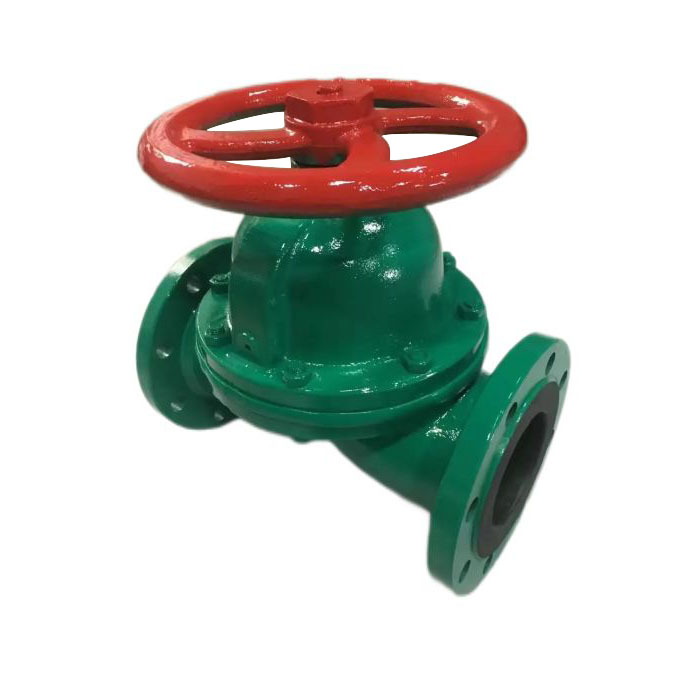
Table of Contents
- Outline
- What Is a Diaphragm Valve?
- Key Components of a Diaphragm Valve
- How Does a Diaphragm Valve Work?
- Common Types of Diaphragm Valves
- Advantages of Using Diaphragm Valves
- How to Select the Right Diaphragm Valve
- Typical Industrial Applications
- Maintenance Tips for Long-Term Reliability
- FAQ
- Contact Us
Outline
- Introduction to diaphragm valve technology
- Core components and materials
- Operational mechanism
- Valve design variations
- Benefits and performance characteristics
- Application industries
- Selection considerations
- Maintenance guidelines
- Frequently asked questions
What Is a Diaphragm Valve?
A diaphragm valve is a type of shut-off and control valve that uses a flexible diaphragm to regulate the flow of fluids. Unlike traditional valves that rely on metal-to-metal contact for sealing, a diaphragm valve isolates the working media from the valve mechanism using an elastomeric membrane. This design provides excellent sealing performance and prevents contamination.
The diaphragm is pressed against a seat located inside the valve body to stop the flow. When the actuator lifts the diaphragm away from the seat, fluid can pass through the valve. Because the internal components are separated from the fluid path, diaphragm valves are particularly suitable for corrosive, abrasive, or hygienic processes.
Industries such as chemical processing, water treatment, pharmaceutical production, and food manufacturing commonly rely on diaphragm valves for safe and precise flow regulation.
Key Components of a Diaphragm Valve
Understanding the structure of a diaphragm valve helps users better evaluate its performance and reliability. Although designs vary slightly among manufacturers, most diaphragm valves consist of several essential components.
| Component | Function |
|---|---|
| Valve Body | Forms the main flow passage and supports internal components. |
| Diaphragm | A flexible membrane that seals the flow path and controls fluid movement. |
| Compressor | Applies pressure to the diaphragm to close the valve. |
| Stem | Connects the actuator to the compressor and transfers motion. |
| Actuator or Handwheel | Provides manual or automatic operation for opening and closing the valve. |
The diaphragm itself is typically made from materials such as EPDM, PTFE, or rubber compounds. The choice of diaphragm material depends on the chemical compatibility and temperature requirements of the process fluid.
How Does a Diaphragm Valve Work?
The operating principle of a diaphragm valve is relatively straightforward but highly effective. The valve controls fluid flow by moving a flexible diaphragm toward or away from the valve seat.
When the actuator or handwheel is rotated, the valve stem moves downward. This motion pushes the compressor, which presses the diaphragm firmly against the seat inside the valve body. Once the diaphragm contacts the seat, the flow path becomes completely sealed, stopping fluid movement.
To open the valve, the actuator lifts the stem upward. The compressor releases pressure on the diaphragm, allowing it to move away from the seat. Fluid can then pass freely through the valve body.
Because the diaphragm isolates the mechanical parts from the fluid, the valve experiences less internal corrosion and contamination. This structure also reduces the risk of leakage compared with conventional valve designs.
Common Types of Diaphragm Valves
Several diaphragm valve configurations exist to meet different operational requirements. The two most common designs are weir-type and straight-through valves.
-
Weir-Type Diaphragm Valve
This design features a raised seat or weir inside the valve body. The diaphragm presses against the weir to close the valve. It requires less diaphragm travel and offers longer diaphragm life. -
Straight-Through Diaphragm Valve
This design provides a straight flow path with minimal obstruction. It is often used in applications involving viscous fluids, slurries, or solids.
Each type offers different advantages depending on the fluid properties and system requirements.
Advantages of Using Diaphragm Valves
Diaphragm valves provide several benefits that make them attractive for modern industrial processes. Their unique structure delivers operational reliability while minimizing contamination risks.
- Excellent leak-tight sealing performance
- Isolation of working media from mechanical parts
- High resistance to corrosive chemicals
- Suitable for slurry and viscous fluids
- Simple maintenance and diaphragm replacement
- Reduced risk of product contamination
These characteristics allow diaphragm valves to perform reliably in demanding environments where traditional valve types may struggle.
How to Select the Right Diaphragm Valve
Choosing the correct diaphragm valve is essential for maintaining system efficiency and avoiding operational issues. Several technical factors should be evaluated during the selection process.
| Selection Factor | Description |
|---|---|
| Fluid Type | Determine whether the fluid is corrosive, abrasive, or sanitary. |
| Operating Temperature | Ensure diaphragm materials can tolerate system temperatures. |
| Pressure Rating | Select a valve capable of handling system pressure conditions. |
| Connection Type | Options include flanged, threaded, or welded connections. |
| Automation Requirement | Manual or pneumatic actuators may be required depending on the system. |
Careful evaluation of these factors ensures that the selected valve performs efficiently throughout its operational life cycle.
Typical Industrial Applications
Diaphragm valves are widely used in industries that require reliable sealing and contamination control. Their versatility makes them suitable for both industrial and sanitary environments.
- Chemical processing plants
- Water and wastewater treatment facilities
- Pharmaceutical manufacturing
- Food and beverage production
- Mining slurry systems
- Biotechnology laboratories
Companies such as Tianjin Fuyaolai Technology Co., Ltd. manufacture diaphragm valves designed to meet strict industrial standards. Their valves are engineered for durability, corrosion resistance, and stable flow control across a wide range of applications.
Maintenance Tips for Long-Term Reliability
Although diaphragm valves have a relatively simple structure, routine maintenance helps extend service life and maintain optimal performance.
- Inspect diaphragms periodically for signs of wear or cracking.
- Ensure bolts and fasteners remain properly tightened.
- Check for unusual vibration or leakage during operation.
- Replace diaphragms according to manufacturer recommendations.
- Verify actuator operation for smooth opening and closing.
Regular maintenance prevents unexpected failures and ensures stable operation in critical industrial systems.
FAQ
Q1: What makes diaphragm valves suitable for corrosive fluids?
The diaphragm isolates the process fluid from internal metal components. This prevents corrosion and protects the valve mechanism from chemical damage.
Q2: Can diaphragm valves handle slurry or viscous fluids?
Yes. Straight-through diaphragm valves are particularly effective for slurry applications because they offer a smooth flow path that reduces clogging.
Q3: How often should the diaphragm be replaced?
Replacement frequency depends on operating conditions such as pressure, temperature, and chemical exposure. Regular inspection helps determine when replacement is necessary.
Q4: Are diaphragm valves suitable for hygienic industries?
Yes. Because the valve design prevents contamination and allows easy cleaning, diaphragm valves are widely used in pharmaceutical and food processing industries.
Contact Us
Selecting the right diaphragm valve can significantly improve the safety, efficiency, and reliability of fluid control systems. If you are searching for high-quality industrial diaphragm valves, Tianjin Fuyaolai Technology Co., Ltd. provides dependable solutions tailored to a wide range of industrial applications.
Visit the product page to explore detailed specifications and available configurations:
https://www.fuyaolaivalve.com/diaphragm-valve
Our technical team is ready to help you choose the most suitable valve for your project requirements. Contact us today to receive professional guidance, product details, and customized solutions for your fluid control systems.