

How Does a Cast Iron Penstock Gate Control Water Flow in Industrial and Water Management Systems?
Article Summary
A Cast Iron Penstock Gate is an essential device used to regulate water flow in canals, wastewater treatment plants, reservoirs, and drainage systems. Its robust structure, corrosion resistance, and reliable sealing performance make it a preferred solution in many hydraulic engineering applications. This article explains how a cast iron penstock gate works, its structure, main components, advantages, installation considerations, and how to select the right gate for different projects. The goal is to help engineers, contractors, and facility managers understand how this equipment improves water control efficiency and long-term infrastructure reliability.
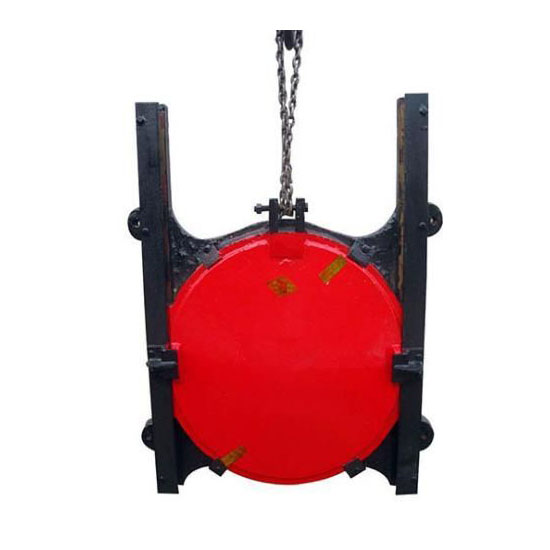
Table of Contents
- 1. Introduction to Cast Iron Penstock Gates
- 2. Key Components of a Penstock Gate
- 3. How a Cast Iron Penstock Gate Works
- 4. Common Applications in Water Infrastructure
- 5. Technical Parameters and Typical Specifications
- 6. Advantages of Cast Iron Construction
- 7. Installation and Maintenance Guidelines
- 8. Choosing the Right Penstock Gate Supplier
- 9. Frequently Asked Questions
- 10. Conclusion
Outline
- Definition and purpose of cast iron penstock gates
- Main structural parts and materials
- Working principle and operational mechanisms
- Industrial and municipal applications
- Technical specifications and configuration options
- Benefits of cast iron materials
- Installation and maintenance considerations
- Supplier selection factors
1. Introduction to Cast Iron Penstock Gates
A Cast Iron Penstock Gate is a sliding gate device designed to regulate, isolate, or stop the flow of water or wastewater in open channels, tanks, pipelines, and hydraulic structures. These gates are widely used in water treatment plants, irrigation networks, dams, and flood control systems. Their primary function is to control water levels and flow rates by opening or closing a gate plate within a frame installed in concrete or channel walls. :contentReference[oaicite:0]{index=0}
Penstock gates are often manufactured using durable materials such as cast iron, ductile iron, or stainless steel. Among these options, cast iron remains popular due to its excellent strength, durability, and cost efficiency in heavy-duty water control environments.
Companies like FYL provide engineered cast iron penstock gates designed to meet demanding industrial and municipal water management requirements.
2. Key Components of a Penstock Gate
Understanding the structure of a cast iron penstock gate helps operators and engineers better evaluate performance and durability. A typical gate assembly consists of the following parts:
- Frame – Mounted to concrete walls or channels and forms the structural support.
- Gate Leaf (Door) – The sliding plate that opens or closes to control water flow.
- Spindle / Stem – A threaded rod that lifts or lowers the gate.
- Sealing System – Rubber or metal seals ensuring watertight closure.
- Guide Rails – Maintain proper alignment of the gate leaf.
- Operating Mechanism – Manual handwheel, electric actuator, or hydraulic system.
These components work together to provide precise control over water discharge while maintaining a tight seal to prevent leakage.
3. How a Cast Iron Penstock Gate Works
The working principle of a cast iron penstock gate is based on a vertical sliding mechanism that regulates the opening area of the channel or outlet.
When the operating mechanism rotates the stem, the threaded spindle moves the gate plate upward or downward along guide rails. As the gate lifts, the opening area increases, allowing water to pass through the channel. Lowering the gate gradually reduces the opening until the flow is fully stopped. :contentReference[oaicite:1]{index=1}
The process generally follows these steps:
- The operator turns a handwheel or activates an actuator.
- The spindle rotates and moves vertically.
- The gate leaf slides along guide rails.
- Water flow increases or decreases depending on gate position.
- Sealing surfaces ensure tight closure when the gate is fully lowered.
This simple mechanical design provides reliable operation even under heavy hydraulic pressure.
4. Common Applications in Water Infrastructure
Cast iron penstock gates are essential components in many water control systems. Their durability and reliable sealing make them suitable for multiple environments.
- Wastewater treatment plants
- Stormwater drainage systems
- Irrigation canals and agricultural water networks
- Dams and reservoirs
- Industrial water treatment facilities
- Flood control channels
- Hydroelectric infrastructure
In these applications, the gate helps maintain water levels, isolate channels for maintenance, and regulate discharge to prevent flooding.
5. Technical Parameters and Typical Specifications
| Parameter | Typical Range |
|---|---|
| Gate Size | 100 mm – 6000 mm |
| Material | Cast Iron / Ductile Iron |
| Operating Type | Manual, Electric, Hydraulic |
| Pressure Head | 1 – 20 meters water column |
| Seal Material | EPDM, NBR, Brass |
| Installation | Wall mounted / Channel mounted |
These specifications vary depending on project requirements and environmental conditions.
6. Advantages of Cast Iron Construction
Cast iron remains a preferred material for penstock gates due to its unique structural and mechanical properties.
- High Strength – Capable of handling large hydraulic pressure.
- Corrosion Resistance – Suitable for wastewater and harsh environments.
- Long Service Life – Durable material ensures decades of operation.
- Low Maintenance – Minimal wear with proper sealing systems.
- Cost Efficiency – More economical than many alloy alternatives.
For long-term infrastructure projects, these advantages significantly reduce maintenance costs and operational risks.
7. Installation and Maintenance Guidelines
Proper installation and maintenance are essential for ensuring reliable operation.
Installation Considerations
- Ensure accurate alignment with the channel opening.
- Secure the frame firmly into concrete structures.
- Install proper sealing materials to prevent leakage.
- Verify smooth movement of the gate leaf before operation.
Maintenance Recommendations
- Inspect seals and guide rails regularly.
- Lubricate the spindle to maintain smooth operation.
- Check for corrosion or sediment buildup.
- Test gate opening and closing periodically.
Routine inspection helps extend the service life of the equipment and ensures stable performance.
8. Choosing the Right Penstock Gate Supplier
Selecting the right manufacturer is critical for ensuring product quality and long-term reliability. Buyers should consider the following factors:
- Engineering expertise and manufacturing experience
- Material quality and production standards
- Customization capability for specific project requirements
- Testing procedures and quality assurance
- Technical support and after-sales service
Manufacturers such as FYL specialize in designing durable cast iron penstock gates for municipal, industrial, and environmental engineering projects. Reliable suppliers can also provide customized gate sizes and automation solutions to meet complex system requirements.
9. Frequently Asked Questions
Q1: What is the difference between a penstock gate and a sluice gate?
The terms are often used interchangeably. Both refer to sliding gates used to regulate water flow in channels, reservoirs, and treatment facilities.
Q2: Can cast iron penstock gates be automated?
Yes. Many gates can be equipped with electric or hydraulic actuators for remote operation and automated water control systems.
Q3: How long does a cast iron penstock gate last?
With proper installation and maintenance, cast iron penstock gates can operate reliably for several decades in water infrastructure systems.
Q4: What industries use penstock gates most frequently?
Common users include wastewater treatment plants, irrigation systems, municipal drainage networks, and hydropower facilities.
10. Conclusion
A Cast Iron Penstock Gate plays a vital role in controlling water flow, protecting infrastructure, and maintaining efficient water management systems. Its robust design, excellent sealing capability, and long service life make it an ideal solution for many industrial and municipal applications.
If you are planning a water control project or upgrading existing hydraulic infrastructure, choosing a reliable manufacturer is essential. FYL provides high-quality cast iron penstock gates designed for durability, precision, and long-term performance.
For product specifications, customization options, or technical consultation, contact us today to learn how FYL can support your next water management project with professional solutions and dependable engineering support.