

How Does a Ball Valve Work and What Makes It Essential for Fluid Control?
Article Summary
Ball valves are crucial components in fluid control systems, offering reliable performance across various industries. This article explores how ball valves function, their key benefits, and how they address common customer challenges related to fluid regulation. Additionally, we will discuss the different types of ball valves, how to choose the right one for your system, and maintenance practices to ensure longevity. With insights into performance factors and usage scenarios, this article aims to help professionals make informed decisions about their fluid control needs.
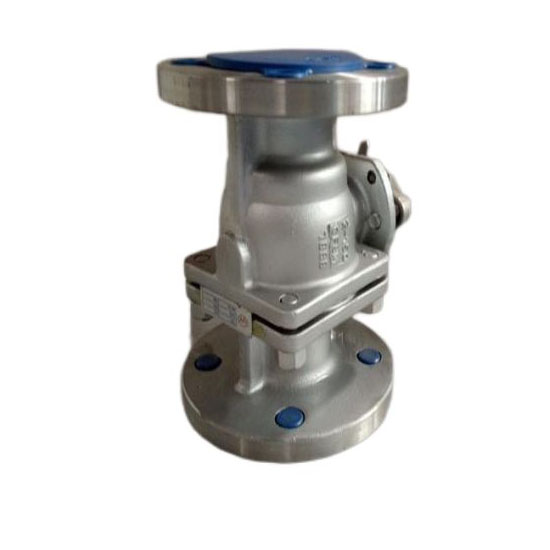
Table of Contents
- Ball Valve Overview
- Common Customer Pain Points
- Types of Ball Valves
- How to Choose the Right Ball Valve
- How Ball Valves Operate
- Ball Valve Comparison Table
- Ball Valve Maintenance
- Frequently Asked Questions
- Conclusion and Contact Us
Ball Valve Overview
Ball valves are essential for regulating the flow of liquids, gases, and other substances in pipelines. They feature a spherical closure element (the ball) that controls the passage of fluid through the valve. The valve's design allows it to be either fully open or fully closed, making it ideal for on/off applications. Ball valves are highly durable, easy to operate, and are available in a variety of materials to suit different environments.
FYL provides an extensive range of ball valves designed for industrial applications, ensuring high performance and reliable sealing under diverse operating conditions. These valves are trusted for their leak-proof sealing and low maintenance requirements.
Common Customer Pain Points
While ball valves offer numerous benefits, there are specific challenges that customers may face when selecting and using them in fluid systems. Understanding these pain points can help businesses address issues before they become costly problems.
- Leakage around the valve seat
- Difficulty in achieving a proper seal due to wear or poor installation
- Problems with valve corrosion in harsh environments
- Incompatibility with certain types of fluid or gas systems
- Frequent valve maintenance and replacement due to system pressure fluctuations
By addressing these challenges with proper product selection, installation, and regular maintenance, customers can enhance the longevity and performance of their ball valves.
Types of Ball Valves
Ball valves come in several configurations, each designed to meet specific operational needs. The main types include:
- Standard Ball Valve – Used in basic on/off applications where quick and reliable shut-off is needed.
- Multi-Port Ball Valve – Allows fluid flow through multiple paths, offering more versatility for complex systems.
- V-Port Ball Valve – Designed for precise flow control, commonly used in modulating applications.
- Trunnion Mounted Ball Valve – Ideal for large-scale, high-pressure applications, providing support for the ball to reduce wear.
- Floating Ball Valve – Commonly used in smaller, low-pressure systems where the ball floats freely between the seat and valve body.
FYL offers a variety of ball valves to suit different industrial applications, providing reliable solutions that meet specific operational demands.
How to Choose the Right Ball Valve
Choosing the right ball valve for your system depends on several factors, including the type of fluid, pressure, temperature, and required flow characteristics. Here are some key considerations when selecting a ball valve:
- Fluid Type – Ensure the material of the ball valve is compatible with the fluid being controlled (e.g., chemicals, water, gas).
- Pressure and Temperature – Choose a valve that can handle the maximum pressure and temperature of your system without compromising safety or performance.
- Valve Size – The valve size should match the pipe diameter for optimal flow and system efficiency.
- Sealing Material – Select a valve with sealing materials that are resistant to wear and corrosion for longevity in harsh environments.
- Flow Control Needs – Determine whether a standard on/off valve or a more advanced flow control valve (such as a V-Port valve) is necessary for your application.
FYL provides expert guidance to help you choose the right ball valve based on these and other criteria, ensuring your system operates smoothly and efficiently.
How Ball Valves Operate
Ball valves are relatively simple in design and operation. The valve features a hollow, perforated ball that rotates within the valve body to control the flow of fluid. When the valve handle is turned, the ball either allows or blocks the flow of the fluid, depending on the position of the hole within the ball.
In the fully open position, the hole in the ball aligns with the pipeline, allowing maximum fluid flow. When turned to the closed position, the ball rotates so that the hole is perpendicular to the flow, blocking the fluid completely. This simple mechanism ensures a secure and reliable seal.
Ball Valve Comparison Table
| Valve Type | Best Use | Advantages | Common Applications |
|---|---|---|---|
| Standard Ball Valve | On/Off applications | Simple, cost-effective, durable | Pipelines, water systems |
| V-Port Ball Valve | Flow control | Precise flow control, reliable | Industrial fluid regulation |
| Floating Ball Valve | Small-scale applications | Cost-effective, reliable | Residential water systems |
| Trunnion Mounted Ball Valve | High-pressure applications | Supports large flows, long-lasting | Oil, gas, chemical industries |
Ball Valve Maintenance
Regular maintenance is essential to ensure the long-term reliability and performance of ball valves. Here are some important maintenance practices:
- Inspect Seals – Regularly check seals for wear and replace them as needed to prevent leaks.
- Lubricate Moving Parts – Keep the valve's stem and moving parts lubricated to prevent friction and wear.
- Check for Corrosion – In harsh environments, ensure the valve body and ball are free from corrosion.
- Ensure Proper Alignment – Verify that the valve components are properly aligned to avoid operational issues.
By following these maintenance guidelines, you can prolong the life of your ball valves and ensure they operate at peak efficiency.
Frequently Asked Questions
How can I tell if my ball valve is faulty?
Common signs of a faulty ball valve include leakage, difficulty in opening or closing, and inconsistent flow. Regular inspections can help identify these issues early.
Are ball valves easy to maintain?
Yes, ball valves are low maintenance compared to other valve types, but routine checks on seals, lubrication, and corrosion prevention are essential for optimal performance.
Can ball valves be used for high-pressure systems?
Yes, there are specific ball valve designs, such as trunnion-mounted ball valves, that are engineered for high-pressure applications.
Conclusion and Contact Us
Ball valves are indispensable in fluid control systems, providing reliable, efficient, and secure flow regulation. By understanding the different types, operation, and maintenance requirements, businesses can optimize their use and ensure long-lasting performance. FYL is proud to offer high-quality ball valves tailored to meet the needs of various industries.
If you need expert advice on selecting the right ball valve or would like to learn more about our product offerings, contact us today. Our team is ready to assist you with your fluid control needs and help you find the perfect solution for your system.