

How Does a Diaphragm Valve Work?
Summary: Diaphragm valves are critical components in fluid control systems across industries such as chemical processing, pharmaceuticals, water treatment, and food production. This article explores their working principles, materials, types, benefits, and practical applications, helping decision-makers understand why diaphragm valves are an optimal choice for reliable and safe fluid handling.
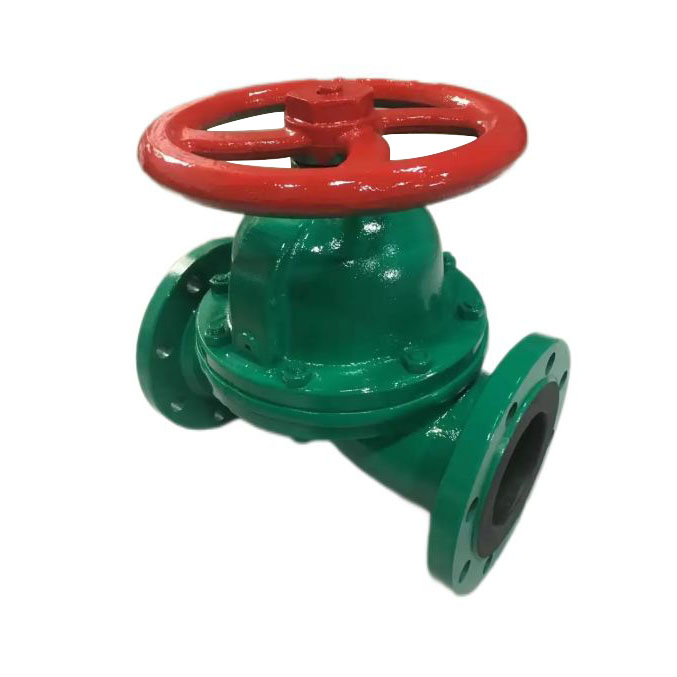
Table of Contents
- Principle of Operation
- Types of Diaphragm Valves
- Materials and Compatibility
- Key Advantages
- Industrial Applications
- How to Select the Right Diaphragm Valve
- Frequently Asked Questions
- Contact FYL
Principle of Operation
Diaphragm valves regulate fluid flow by using a flexible diaphragm positioned between the valve body and an actuator or compressor. When the actuator presses the diaphragm downward, it blocks the flow path, stopping the fluid. Releasing the diaphragm allows fluid to pass freely. This simple mechanism ensures precise control and a hermetic seal, reducing the risk of leakage.
| Component | Function |
|---|---|
| Valve Body | Provides housing for fluid flow and diaphragm placement |
| Diaphragm | Flexible barrier that opens or closes the flow path |
| Actuator | Controls diaphragm movement, either manually or automatically |
Types of Diaphragm Valves
Diaphragm valves are designed to suit different process requirements. The most common types include:
- Straight Through (Weirless) Diaphragm Valves: Ideal for low-pressure applications and viscous fluids.
- Weir Type Diaphragm Valves: Offer better throttling control, commonly used in chemical and pharmaceutical industries.
- Sanitary Diaphragm Valves: Made from high-purity materials for food, beverage, and biotech applications.
Materials and Compatibility
Diaphragm valves are made from a variety of materials to handle corrosive, abrasive, or high-purity fluids:
| Material | Application |
|---|---|
| Stainless Steel | Corrosive fluids, high-pressure environments |
| PVC | Water treatment, general-purpose chemicals |
| PP (Polypropylene) | Acids, alkaline solutions, low-temperature processes |
| Elastomers (EPDM, PTFE) | Diaphragm construction for chemical resistance |
Key Advantages
Diaphragm valves provide several practical benefits for industrial processes:
- Hermetic sealing prevents leakage and contamination
- Precise control of flow rates
- Simple maintenance; only the diaphragm requires replacement
- Suitable for corrosive and abrasive fluids
- Easy integration in sanitary and cleanroom applications
Industrial Applications
These valves are widely used in sectors requiring reliability and purity:
- Chemical Processing: Handling acids, solvents, and corrosive chemicals
- Water Treatment: Controlling water flow, dosing chemicals
- Pharmaceutical & Biotech: Maintaining sterile conditions
- Food & Beverage: Ensuring hygienic fluid handling
- HVAC and Industrial Systems: Managing gases and liquids in pipelines
How to Select the Right Diaphragm Valve
Choosing the proper diaphragm valve requires evaluating process conditions:
- Fluid Type: Consider chemical compatibility with valve materials
- Pressure & Temperature: Ensure valve ratings meet operational requirements
- Flow Control Needs: Select straight-through for simple on/off or weir type for throttling
- Sanitary Requirements: For food or pharmaceutical use, select valves with sanitary certification
- Maintenance: Prefer valves with easily replaceable diaphragms
Frequently Asked Questions
Q1: Can diaphragm valves handle abrasive fluids?
A1: Yes, using appropriate diaphragm materials such as PTFE can resist abrasion and corrosion, ensuring durability.
Q2: How often should the diaphragm be replaced?
A2: Replacement frequency depends on fluid type and operating pressure, typically every 1–3 years for industrial applications.
Q3: Are diaphragm valves suitable for high-temperature applications?
A3: High-temperature fluids require diaphragms and bodies made from heat-resistant materials such as stainless steel and specialized elastomers.
Contact FYL
FYL offers high-quality diaphragm valves suitable for diverse industrial processes. Our valves are designed for reliability, precise control, and minimal maintenance. To explore our full range and request a quotation, contact us today and experience expert service tailored to your process needs.
Previous:How Does a Steel Penstock Gate Work?