

Article Summary: Diaphragm valves are critical components in industries requiring precise fluid control and high purity standards. This article explores the design, functionality, materials, applications, maintenance, and troubleshooting of diaphragm valves, providing a practical guide for engineers, procurement specialists, and industrial operators seeking reliable solutions for fluid management.
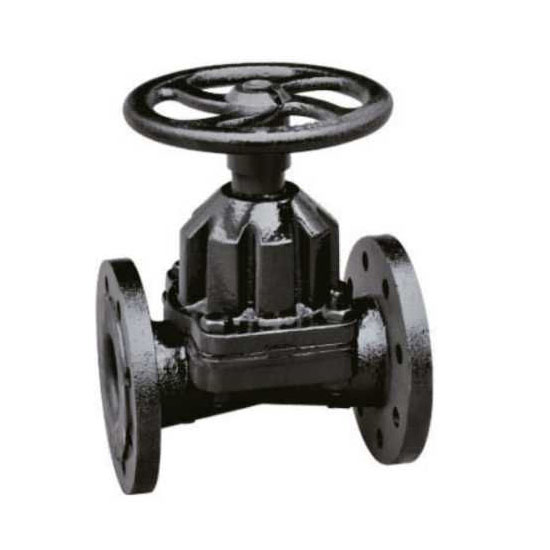
Table of Contents
- Overview of Diaphragm Valves
- Types of Diaphragm Valves
- Valve Materials and Their Applications
- Key Advantages of Diaphragm Valves
- Installation and Maintenance Guidelines
- Troubleshooting Common Issues
- Frequently Asked Questions
- Conclusion and Contact
Overview of Diaphragm Valves
Diaphragm valves are specialized control valves that regulate fluid flow using a flexible diaphragm positioned between the valve body and an actuator. The diaphragm acts as a barrier, separating the fluid from the mechanical components of the valve. This design ensures a hermetic seal, preventing leaks and maintaining system purity.
Industries such as pharmaceuticals, food and beverage, biotechnology, chemical processing, and water treatment rely heavily on diaphragm valves due to their ability to handle corrosive or clean fluids without contamination. The precise control offered by diaphragm valves makes them suitable for both on/off and throttling applications.
Types of Diaphragm Valves
There are several types of diaphragm valves, each tailored for specific industrial needs:
- Straight-Through (Full Bore) Valves: Designed for minimal flow resistance, suitable for viscous or particulate-laden fluids.
- Weir-Type Valves: Features a raised weir in the valve body to support the diaphragm, providing better throttling control and ideal for applications with slurries.
- Manual vs. Automated Diaphragm Valves: Manual valves use handwheels or levers, while automated valves integrate pneumatic or electric actuators for remote control.
Valve Materials and Their Applications
The choice of material significantly affects the valve's chemical compatibility, durability, and cost-effectiveness. Common materials include:
| Material | Applications | Key Benefits |
|---|---|---|
| Stainless Steel | Chemicals, food, biotech | High corrosion resistance, sanitary compliance |
| PVC (Polyvinyl Chloride) | Water treatment, mild chemicals | Cost-effective, lightweight, resistant to many acids |
| PP (Polypropylene) | Industrial chemicals, acids, alkalis | Excellent chemical resistance, lightweight |
| PTFE-lined diaphragm | Strong acids, aggressive chemicals | High purity, non-reactive, long service life |
Key Advantages of Diaphragm Valves
Diaphragm valves are preferred in industries where fluid purity, precise control, and leak prevention are crucial. Major advantages include:
- Leak-Proof Operation: The flexible diaphragm ensures a hermetic seal.
- High Purity Compliance: Suitable for pharmaceutical and biotech fluids.
- Easy Maintenance: Only the diaphragm requires periodic replacement.
- Corrosion Resistance: Compatible with a wide range of aggressive chemicals.
- Versatile Installation: Available for both manual and automated operations.
- Precise Flow Control: Effective for both on/off and throttling applications.
Installation and Maintenance Guidelines
Proper installation and maintenance enhance performance and longevity of diaphragm valves:
- Ensure pipeline alignment to prevent diaphragm stress.
- Use appropriate gaskets and seals for the selected fluid and operating pressure.
- Regularly inspect diaphragms for wear, tears, or deformation.
- Clean valve internals periodically to avoid sediment buildup.
- Lubricate actuator components according to manufacturer recommendations.
- Test valve operation after installation to ensure leak-free performance.
Troubleshooting Common Issues
Even with reliable diaphragm valves, occasional operational issues may arise. Typical problems include:
| Issue | Possible Cause | Recommended Solution |
|---|---|---|
| Leakage from valve seat | Diaphragm wear or misalignment | Replace diaphragm, realign actuator |
| Valve does not fully close | Debris on diaphragm or weir | Clean valve interior, inspect diaphragm |
| High actuator torque required | Valve body misalignment or diaphragm stiffening | Check alignment, replace diaphragm if hardened |
| Corrosion on valve body | Incompatible fluid or prolonged exposure | Use corrosion-resistant material or PTFE lining |
Frequently Asked Questions
Q1: How often should a diaphragm be replaced?
A: Replacement depends on fluid type, operating pressure, and frequency of use. Typically, a visual inspection every 6–12 months is recommended, with immediate replacement if cracks or deformation are detected.
Q2: Can diaphragm valves handle high-pressure systems?
A: Yes, provided the valve and diaphragm materials are rated for the specific pressure range. Stainless steel valves often support higher pressures than plastic variants.
Q3: Are diaphragm valves suitable for sanitary applications?
A: Absolutely. Their leak-proof design and smooth surfaces minimize contamination risk, making them ideal for pharmaceuticals, food, and biotech applications.
Conclusion and Contact
Diaphragm valves provide reliable, precise, and clean fluid control across multiple industries. By selecting the appropriate valve type, material, and maintenance schedule, operators can achieve enhanced system performance and reduced downtime. Tianjin Fuyaolai Technology Co., Ltd. offers a full range of high-quality diaphragm valves engineered to meet international standards.
For more information on specifications, pricing, and OEM customization, contact us today and discover how our diaphragm valves can optimize your fluid management systems.