

What Makes Diaphragm Valves Essential for Industrial Fluid Control?
Summary: Diaphragm valves are a critical component in many industrial systems, providing precise control over fluid flow while ensuring leak-proof performance. This article explores the types, applications, materials, and maintenance practices of diaphragm valves, helping industries optimize their operations and address common challenges.
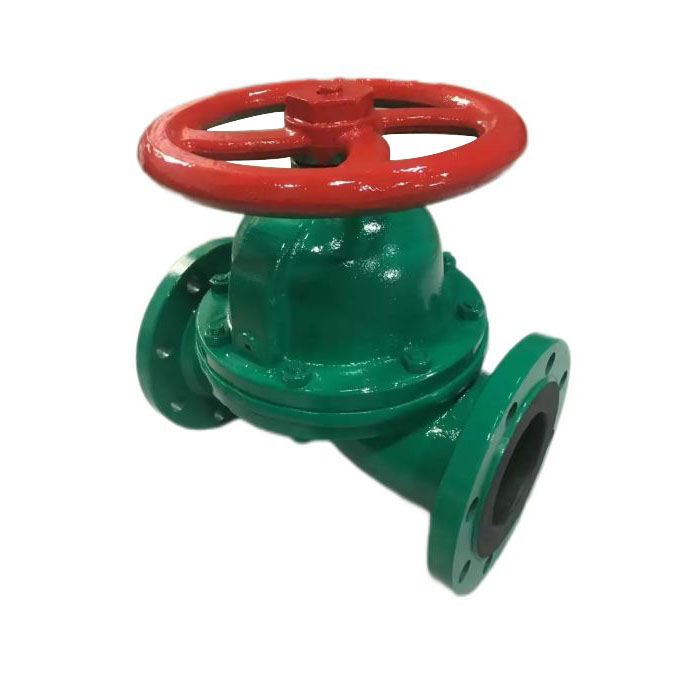
Table of Contents
- Introduction to Diaphragm Valves
- Types of Diaphragm Valves
- Applications Across Industries
- Materials and Construction
- Maintenance and Troubleshooting
- Key Benefits
- Frequently Asked Questions
- Contact TRF
Introduction to Diaphragm Valves
Diaphragm valves are designed to control the flow of liquids and gases in pipelines using a flexible diaphragm. Positioned between the valve body and an actuator, the diaphragm provides a hermetic seal that prevents leaks and contamination. These valves are widely used in industries that demand high levels of cleanliness, such as pharmaceuticals, biotechnology, and food processing.
The operation of a diaphragm valve is straightforward: the diaphragm moves up or down to open or close the valve, allowing precise control of fluid flow. Unlike traditional valves, diaphragm valves minimize the risk of contamination because the fluid only contacts the valve body and diaphragm, which can be easily replaced.
Types of Diaphragm Valves
Understanding the types of diaphragm valves is key to selecting the right solution for any industrial application.
- Straight-Through Type: Ideal for general-purpose applications, these valves allow fluid to flow in a straight line with minimal resistance. Commonly used in water treatment and chemical processing.
- Weir Type: Featuring a raised barrier in the valve body, weir valves offer better throttling and are suitable for corrosive or viscous fluids. They are widely used in pharmaceutical and food industries.
- Actuated Diaphragm Valves: Equipped with pneumatic or electric actuators, these valves enable automated control, improving efficiency in large-scale operations.
| Type | Best For | Industry Example |
|---|---|---|
| Straight-Through | Low-viscosity fluids | Water treatment plants |
| Weir | Throttling and corrosive fluids | Pharmaceutical production |
| Actuated | Automated control | Chemical processing plants |
Applications Across Industries
Diaphragm valves are versatile and used in numerous industrial applications:
- Chemical Processing: Handle aggressive chemicals safely due to resistant diaphragm materials.
- Water and Wastewater Treatment: Control flow and prevent contamination in clean water and sewage systems.
- Pharmaceutical and Food Industries: Maintain high purity standards by minimizing contact with moving parts.
- HVAC Systems: Regulate liquids and gases in heating and cooling networks.
- Industrial Gas Transport: Ensure leak-free control in gas pipelines.
Materials and Construction
The diaphragm valve’s performance depends heavily on its materials:
- Valve Body: Commonly made of stainless steel, PVC, or polypropylene (PP) to resist corrosion and handle various fluids.
- Diaphragm: Elastomers, PTFE, or thermoplastics offer flexibility, chemical resistance, and easy replacement.
- Actuators: Pneumatic, electric, or manual actuators facilitate precise control depending on operational needs.
Choosing the right combination of body and diaphragm materials ensures longevity, reliability, and compliance with industry standards.
Maintenance and Troubleshooting
Diaphragm valves are valued for low maintenance requirements. The diaphragm is the only component typically subject to wear and needs replacement periodically. Key maintenance practices include:
- Regular inspection for diaphragm wear or cracks
- Ensuring actuators are functioning correctly
- Cleaning valve body to prevent buildup of residues
- Lubrication of moving parts where applicable
Common troubleshooting scenarios involve leakage, reduced flow, or actuator malfunction, all of which can be resolved by replacing worn components or recalibrating the actuator.
Key Benefits
- Hermetic Sealing: Prevents leaks and contamination.
- Precise Flow Control: Enables accurate adjustment of fluid rates.
- Versatility: Compatible with corrosive, viscous, and pure fluids.
- Low Maintenance: Simple design reduces downtime and operational costs.
- Reliability: Ideal for critical applications requiring consistent performance.
Frequently Asked Questions
Q1: How do diaphragm valves differ from traditional gate or ball valves?
A: Unlike gate or ball valves, diaphragm valves provide a hermetic seal and have minimal contact between the fluid and moving parts, reducing contamination risk and improving suitability for high-purity applications.
Q2: What types of fluids can diaphragm valves handle?
A: They can handle water, chemicals, viscous liquids, and gases, depending on the valve’s material and design. Resistant elastomers or PTFE diaphragms extend compatibility with aggressive fluids.
Q3: How often should the diaphragm be replaced?
A: Replacement frequency depends on fluid type, temperature, and valve usage. Routine inspections typically identify wear early to prevent operational issues.
Q4: Are diaphragm valves suitable for automated systems?
A: Yes, actuated diaphragm valves can integrate pneumatic or electric actuators, enabling remote or automated flow control.
Contact TRF
FYL provides high-quality diaphragm valves suitable for a wide range of industrial applications. Whether your operation requires precise flow control, resistance to corrosive fluids, or automated valve solutions, our team can assist. Enhance your fluid control system today by reaching out to us. Contact us to discuss customized solutions and receive professional guidance.