

How Does a Circulating Mechanical Bar Screen Improve Wastewater Treatment Efficiency
Article Summary: The Circulating Mechanical Bar Screen is a revolutionary solution in modern wastewater treatment. This blog explores its working principles, design features, operational advantages, and maintenance strategies. With a focus on FYL’s innovative products, we will also cover comparisons with traditional bar screens, practical applications, and key considerations for selection and installation. This comprehensive guide aims to provide plant engineers, operators, and decision-makers with in-depth knowledge to optimize wastewater treatment efficiency.
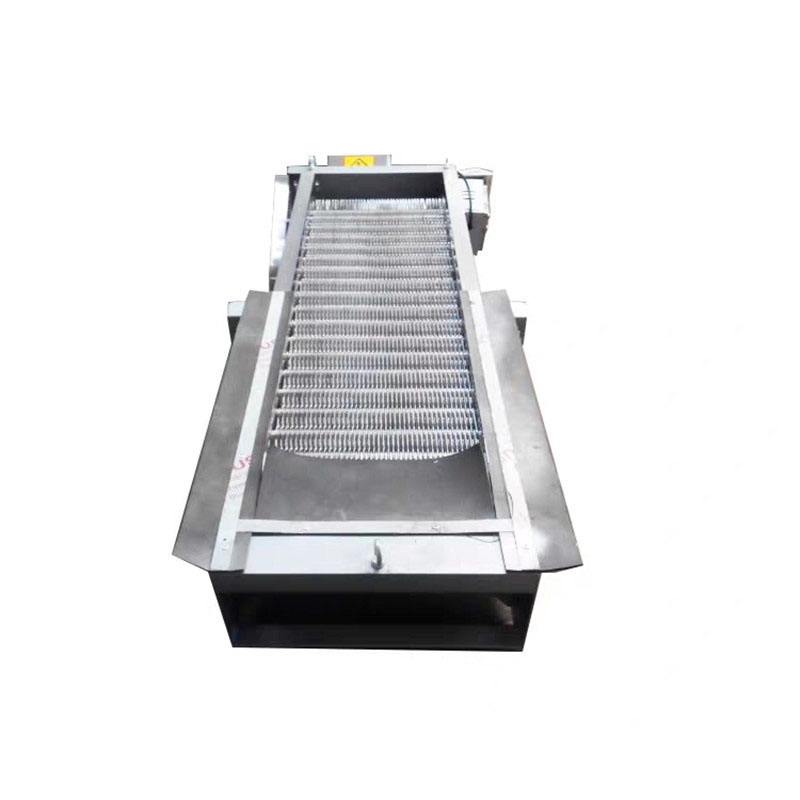
Table of Contents
- Introduction to Circulating Mechanical Bar Screen
- Working Principle
- Key Design Features
- Operational Advantages
- Installation Criteria
- Maintenance Tips
- Comparison with Traditional Bar Screens
- Practical Applications
- Frequently Asked Questions
- Conclusion & Contact
Introduction to Circulating Mechanical Bar Screen
The Circulating Mechanical Bar Screen (CMBS) is an essential component in modern wastewater treatment plants. Unlike conventional static bar screens, CMBS uses continuous motion to remove large solids from wastewater, preventing equipment clogging and enhancing overall plant efficiency. FYL, a leader in water treatment technologies, has developed advanced CMBS solutions to address the increasing demand for sustainable and cost-effective wastewater management.
The main purpose of CMBS is to intercept debris before it enters downstream processes, which significantly reduces maintenance costs and extends the lifespan of pumps, pipelines, and other equipment.
Working Principle
CMBS operates on a simple yet effective mechanism. Wastewater flows through a channel equipped with mechanical bars that continuously rotate or move. The moving bars capture floating and suspended solids, lifting them out of the water. The captured debris is then washed and discharged automatically, allowing uninterrupted flow.
Key Steps in Operation:
- Wastewater enters the screening channel.
- Mechanical bars rotate to intercept solids.
- Captured solids are transported to a disposal area.
- Bars are automatically cleaned to maintain efficiency.
Key Design Features
FYL’s Circulating Mechanical Bar Screen integrates several design innovations to improve performance:
- Robust Bar Construction: Stainless steel bars resist corrosion and wear.
- Optimized Bar Spacing: Allows maximum debris capture while maintaining flow efficiency.
- Automatic Cleaning System: Minimizes manual intervention and operational downtime.
- Energy-Efficient Drive: Reduces operational costs with low-power motors.
- Modular Design: Facilitates easy installation and maintenance.
Operational Advantages
Using a Circulating Mechanical Bar Screen offers numerous operational benefits:
- Enhanced wastewater treatment efficiency by removing up to 90% of large solids.
- Reduced risk of equipment clogging and pipeline damage.
- Lower labor costs due to automated cleaning features.
- Extended lifespan of downstream equipment.
- Improved environmental compliance and reduced sludge disposal costs.
Installation Criteria
For optimal performance, several factors must be considered when installing a CMBS:
- Channel Size: The screen should match the wastewater flow rate.
- Bar Pitch: Appropriate spacing ensures efficient solid removal.
- Support Structure: Must withstand mechanical stresses.
- Accessibility: Easy access for inspection and maintenance.
Maintenance Tips
Regular maintenance ensures the long-term efficiency of CMBS systems:
- Inspect bars for wear and replace if necessary.
- Check motors and drive mechanisms monthly.
- Clean debris collection and disposal units regularly.
- Lubricate moving parts according to the manufacturer’s guidelines.
- Monitor flow rates and adjust bar speed to match wastewater conditions.
Comparison with Traditional Bar Screens
| Feature | Traditional Bar Screen | Circulating Mechanical Bar Screen (FYL) |
|---|---|---|
| Operation | Manual or semi-automatic | Fully automated continuous operation |
| Debris Removal Efficiency | 60-70% | Up to 90% |
| Maintenance | High, labor-intensive | Low, automated cleaning |
| Energy Consumption | Moderate | Low, energy-efficient motors |
| Lifespan | 5-10 years | 10-15 years |
Practical Applications
CMBS systems by FYL are widely used in various sectors:
- Municipal wastewater treatment plants
- Industrial effluent management
- Food processing and beverage industries
- Pulp and paper manufacturing
- Power plants for cooling water intake screening
The versatility of CMBS makes it suitable for both new installations and retrofitting existing plants to improve operational efficiency.
Frequently Asked Questions
- What is the main advantage of a Circulating Mechanical Bar Screen?
- It automates debris removal, significantly reducing manual labor and improving wastewater treatment efficiency.
- How does CMBS differ from a traditional bar screen?
- CMBS uses continuous motion and automated cleaning, whereas traditional screens often require manual operation.
- Can CMBS handle high flow rates?
- Yes, FYL designs CMBS units to manage a wide range of flow rates while maintaining high efficiency.
- What materials are used for the bars?
- Typically, stainless steel or corrosion-resistant alloys are used to ensure durability.
- Is maintenance difficult?
- No, the automated cleaning system minimizes manual maintenance and operational downtime.
Conclusion & Contact
Circulating Mechanical Bar Screens represent a significant advancement in wastewater treatment technology. With features like automated debris removal, energy-efficient operation, and robust design, FYL’s CMBS systems ensure long-term reliability and improved operational efficiency for a variety of industries. By integrating CMBS into your wastewater treatment strategy, you can reduce maintenance costs, extend equipment lifespan, and meet environmental compliance standards effectively.
If you want to upgrade your wastewater treatment facility with a high-efficiency Circulating Mechanical Bar Screen, contact us today to learn more about FYL’s innovative solutions and how they can optimize your operations.