

How Do You Choose the Right Bridge Crane for Your Manufacturing Facility?
In modern industrial production, lifting equipment plays a crucial role in improving workflow efficiency, workplace safety, and operational productivity. Whether in manufacturing plants, warehouses, steel processing facilities, power stations, or logistics centers, selecting the appropriate lifting solution can significantly impact business performance.Among the various material handling systems available today, the Bridge Crane remains one of the most widely adopted solutions due to its versatility, reliability, and ability to move heavy loads with precision. However, choosing the right system requires a thorough understanding of operational requirements, load characteristics, facility dimensions, and long-term maintenance considerations.
Article Summary
This guide explains how industrial buyers can evaluate different lifting requirements and select the most suitable crane solution for their facilities. It covers crane types, design considerations, safety standards, productivity benefits, maintenance requirements, and future industry trends. By understanding these factors, companies can make informed investment decisions that support sustainable growth and operational excellence.
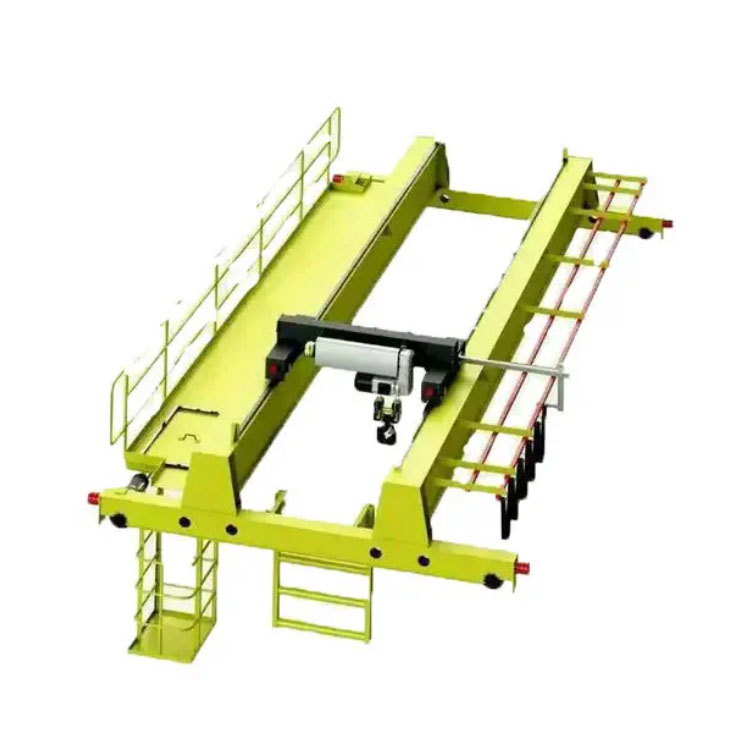
Table of Contents
- Why Industrial Facilities Need Advanced Lifting Systems
- Understanding Different Crane Configurations
- Key Factors to Consider Before Selection
- Productivity and Safety Benefits
- Comparison of Common Crane Solutions
- Maintenance and Lifecycle Management
- Future Trends in Material Handling
- Frequently Asked Questions
Why Industrial Facilities Need Advanced Lifting Systems
Manufacturing environments are becoming increasingly complex. Production lines are operating faster, inventory turnover is accelerating, and customer expectations continue to rise. As a result, facilities must handle larger volumes of raw materials and finished products while maintaining strict safety standards.
Traditional manual lifting methods often create bottlenecks, increase labor requirements, and elevate workplace injury risks. Advanced overhead lifting systems help overcome these challenges by providing controlled movement of heavy loads throughout the facility.
Modern crane systems can transport equipment, machinery components, steel structures, molds, containers, and production materials efficiently. Their ability to maximize vertical space also helps facilities optimize floor layouts and improve operational flow.
A properly selected Bridge Crane enables operators to move loads quickly across large working areas while maintaining accuracy and minimizing disruptions to production processes.
Understanding Different Crane Configurations
Before making a purchasing decision, it is essential to understand the various crane configurations available in the market.
Single Girder Overhead Cranes
Single girder systems are commonly used for moderate lifting capacities and standard industrial applications. They offer cost-effective performance and require less structural support compared to larger alternatives.
Double Girder Overhead Cranes
Double girder designs are suitable for heavier loads, greater lifting heights, and demanding production environments. They provide increased stability and enhanced operational flexibility.
Top Running Cranes
These cranes travel on rails mounted above the runway beams, allowing maximum lifting height and efficient use of available workspace.
Underhung Cranes
Underhung systems operate beneath supporting structures and are often used where building configurations limit top-running installations.
Workstation Cranes
Designed for lighter-duty applications, workstation systems are ideal for assembly lines, maintenance operations, and repetitive lifting tasks.
Key Factors to Consider Before Selection
Selecting the appropriate lifting solution involves evaluating multiple operational and engineering factors.
Load Capacity Requirements
The first consideration is determining the maximum load that will be handled regularly. Businesses should evaluate both average and peak lifting requirements to ensure adequate performance margins.
Span Length
Span refers to the distance between runway rails. Larger spans require stronger structural components and may influence overall project costs.
Lifting Height
Understanding required hook travel is critical. Facilities with tall storage systems or large equipment often need greater lifting heights.
Duty Cycle
Duty classification indicates how frequently the crane will operate and how heavily it will be utilized. High-frequency applications require more robust designs.
Building Structure
Existing facility conditions must be carefully assessed to determine whether additional structural reinforcement is necessary.
Environmental Conditions
Factors such as temperature, humidity, dust, chemicals, and outdoor exposure can influence equipment selection and material specifications.
Productivity and Safety Benefits
One of the primary reasons organizations invest in overhead lifting equipment is the significant improvement in productivity.
Reduced Material Handling Time
Automated load movement reduces transportation delays and streamlines production workflows.
Improved Workplace Safety
Proper lifting equipment minimizes manual handling activities and lowers the risk of musculoskeletal injuries.
Enhanced Precision
Advanced control systems allow operators to position loads accurately, reducing product damage and improving process consistency.
Better Space Utilization
Overhead systems free valuable floor space for production equipment, inventory storage, and employee movement.
Lower Long-Term Operating Costs
Although initial investment may be significant, increased productivity and reduced labor costs often generate substantial returns over time.
For facilities seeking long-term operational improvements, a properly engineered Bridge Crane can become one of the most valuable assets within the production environment.
Comparison of Common Crane Solutions
| Type | Typical Capacity | Application | Advantages |
|---|---|---|---|
| Single Girder | Light to Medium | General Manufacturing | Cost-effective and compact |
| Double Girder | Medium to Heavy | Steel Plants and Heavy Industry | Higher capacity and lifting height |
| Underhung | Light to Medium | Limited Structural Space | Flexible installation |
| Workstation | Light Duty | Assembly Areas | High efficiency for repetitive tasks |
| Top Running | Medium to Heavy | Large Facilities | Maximum hook coverage |
Maintenance and Lifecycle Management
Regular maintenance is essential for maximizing equipment reliability and extending service life.
Routine Inspections
- Check wire ropes and chains.
- Inspect hooks for deformation.
- Verify brake performance.
- Assess electrical connections.
- Monitor structural integrity.
Preventive Maintenance Programs
Preventive maintenance strategies help identify potential issues before they result in costly downtime or equipment failures.
Operator Training
Properly trained personnel play a critical role in maintaining safe and efficient operations. Training should cover equipment controls, load handling procedures, emergency response protocols, and inspection practices.
Technology Integration
Many modern systems now incorporate sensors and monitoring technologies that provide real-time performance data and predictive maintenance insights.
Future Trends in Material Handling
Industrial lifting technology continues to evolve as manufacturers pursue greater efficiency and digital transformation.
Smart Monitoring Systems
Connected devices allow operators and maintenance teams to monitor equipment conditions remotely and respond proactively to emerging issues.
Automation Integration
Advanced facilities are increasingly integrating lifting systems with automated production lines and warehouse management systems.
Energy Efficiency
Manufacturers are developing more energy-efficient motors, drives, and control technologies to reduce operating costs and environmental impact.
Enhanced Safety Features
Future crane systems will continue incorporating collision avoidance technologies, load monitoring systems, and intelligent control functions.
As industrial facilities modernize, the role of the Bridge Crane will continue expanding as a critical component of smart manufacturing and advanced logistics operations.
Frequently Asked Questions
1. What industries commonly use overhead crane systems?
Manufacturing, steel production, power generation, logistics, construction, automotive, aerospace, and warehousing industries frequently use these systems.
2. How do I determine the correct lifting capacity?
Analyze your maximum expected load and include a suitable safety margin based on operational requirements and industry standards.
3. How often should inspections be performed?
Inspection frequency depends on duty cycle, operating environment, and local regulations, but routine checks should be conducted regularly.
4. Can crane systems be customized?
Yes. Many solutions can be customized according to span, lifting height, load capacity, environmental conditions, and automation requirements.
5. What factors influence total ownership cost?
Equipment price, installation, maintenance, energy consumption, training, downtime risks, and expected service life all contribute to total ownership costs.
About the Manufacturer
Fuyaolai is committed to providing reliable industrial equipment solutions and supporting customers with professional engineering expertise, quality manufacturing standards, and responsive service. By focusing on performance, safety, and long-term value, the company helps businesses improve operational efficiency across diverse industrial sectors.
Conclusion
Choosing the right lifting system requires careful consideration of operational demands, facility conditions, future growth plans, and safety objectives. Organizations that invest time in evaluating these factors can significantly improve productivity, reduce risks, and achieve long-term cost savings.
If you are looking for a dependable industrial lifting solution tailored to your specific application requirements, contact us today to discuss your project goals. Our experienced team is ready to help you identify the most efficient and cost-effective solution for your facility and support your business growth with professional expertise and reliable service.