

How Can a Stainless Steel Penstock Improve Water Control Efficiency and Durability in Modern Water Management Systems
Article Summary: Stainless steel penstocks play a crucial role in modern water management systems, including wastewater treatment plants, irrigation channels, reservoirs, and hydropower stations. With increasing demands for corrosion resistance, durability, and precise water control, stainless steel penstocks have become a preferred solution for engineers and infrastructure planners. In this comprehensive guide, we explore how stainless steel penstocks work, their advantages, types, applications, installation considerations, and how reliable manufacturers such as FYL deliver high-quality solutions for global projects.
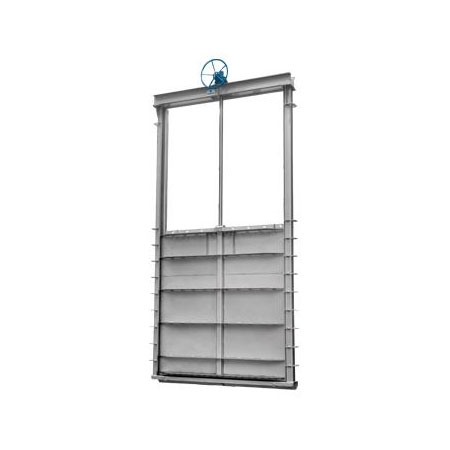
Table of Contents
- 1. What Is a Stainless Steel Penstock?
- 2. Why Stainless Steel Is Ideal for Penstock Manufacturing
- 3. Key Components of a Stainless Steel Penstock System
- 4. Types of Stainless Steel Penstocks
- 5. Major Applications in Water Management Projects
- 6. Stainless Steel Penstock vs Other Materials
- 7. Installation and Maintenance Best Practices
- 8. How to Choose the Right Stainless Steel Penstock
- 9. Industry Trends and Future Development
- 10. Frequently Asked Questions (FAQ)
1. What Is a Stainless Steel Penstock?
A stainless steel penstock is a specialized gate or valve structure used to regulate the flow of water in channels, pipelines, dams, and treatment plants. These systems are designed to withstand demanding environments where corrosion, pressure, and continuous operation are common challenges.
Penstocks are often installed in:
- Wastewater treatment plants
- Stormwater control systems
- Irrigation networks
- Hydropower facilities
- Flood control infrastructure
Unlike traditional gates made from cast iron or mild steel, stainless steel penstocks offer enhanced durability, longer service life, and lower maintenance requirements. Many modern engineering projects now prioritize stainless steel solutions due to their performance reliability.
Manufacturers such as FYL specialize in producing advanced stainless steel penstock systems designed to meet global engineering standards and complex project requirements.
2. Why Stainless Steel Is Ideal for Penstock Manufacturing
Material selection is one of the most important factors when designing a water control gate. Stainless steel provides several advantages compared to traditional materials.
Main Advantages
- Excellent corrosion resistance
- High structural strength
- Long operational lifespan
- Low maintenance cost
- Better sealing performance
- Resistance to harsh chemical environments
In environments such as coastal regions or wastewater plants where chemical exposure is common, stainless steel significantly reduces degradation and operational risks.
Common Stainless Steel Grades Used
| Material Grade | Main Features | Typical Applications |
|---|---|---|
| SS304 | General corrosion resistance | Municipal water systems |
| SS316 | Excellent chemical resistance | Wastewater treatment plants |
| Duplex Stainless Steel | High strength and durability | Heavy-duty hydraulic projects |
Engineering teams working with FYL stainless steel penstocks often select materials based on environmental conditions and operational requirements.
3. Key Components of a Stainless Steel Penstock System
A well-designed penstock consists of multiple precision-engineered parts that work together to ensure reliable water control.
Main Components
- Gate frame
- Sliding gate plate
- Sealing system
- Stem or lifting mechanism
- Actuator (manual or electric)
- Guide rails
Each component must be carefully designed to ensure:
- Leak-free operation
- Smooth movement
- Structural stability
- Resistance to hydraulic pressure
Advanced manufacturers like FYL integrate precision machining and modern sealing technology to ensure long-term reliability.
4. Types of Stainless Steel Penstocks
Different engineering projects require different types of penstocks depending on installation location, flow control needs, and structural constraints.
Common Types
| Type | Description | Best Use Case |
|---|---|---|
| Wall-Mounted Penstock | Installed directly onto a concrete wall | Treatment plants and reservoirs |
| Channel-Mounted Penstock | Installed within open channels | Irrigation systems |
| Flange-Mounted Penstock | Connected to pipeline systems | Industrial water flow control |
| Weir Penstock | Designed to regulate water levels | Overflow control systems |
Project engineers often consult experienced suppliers like FYL to determine the most suitable design configuration.
5. Major Applications in Water Management Projects
Stainless steel penstocks are widely used across multiple industries and infrastructure projects worldwide.
Primary Application Areas
- Municipal wastewater treatment facilities
- Hydroelectric power stations
- Flood control systems
- Stormwater management
- Industrial processing plants
- Agricultural irrigation networks
In wastewater treatment plants, penstocks are essential for controlling the flow between different treatment stages. Reliable sealing and corrosion resistance are especially important in these environments.
Companies like FYL have provided stainless steel penstock solutions for various international water infrastructure projects.
6. Stainless Steel Penstock vs Other Materials
When selecting a water control gate, engineers often compare stainless steel penstocks with alternatives such as cast iron or carbon steel.
| Feature | Stainless Steel Penstock | Cast Iron Gate | Carbon Steel Gate |
|---|---|---|---|
| Corrosion Resistance | Excellent | Moderate | Low |
| Maintenance | Low | Medium | High |
| Service Life | Very Long | Medium | Shorter |
| Strength | High | Medium | High |
| Lifecycle Cost | Cost-effective | Moderate | Higher over time |
This comparison explains why many modern infrastructure projects now prioritize stainless steel penstock systems.
7. Installation and Maintenance Best Practices
Proper installation is critical to ensuring optimal performance and long-term durability.
Installation Tips
- Ensure accurate alignment during installation
- Use proper sealing materials
- Verify structural support and anchoring
- Perform leakage testing
- Follow manufacturer installation guidelines
Maintenance Recommendations
- Regular inspection of seals
- Cleaning debris from channels
- Checking actuator operation
- Lubricating moving parts
- Monitoring corrosion conditions
FYL provides technical guidance and engineering support to help ensure smooth installation and long-term system efficiency.
8. How to Choose the Right Stainless Steel Penstock
Selecting the right penstock requires evaluating several technical and environmental factors.
Key Selection Factors
- Water pressure conditions
- Installation location
- Chemical exposure level
- Operating frequency
- Automation requirements
- Project budget
Working with experienced manufacturers such as FYL helps ensure that the selected stainless steel penstock meets both engineering specifications and long-term performance expectations.
9. Industry Trends and Future Development
The water infrastructure industry continues to evolve, and stainless steel penstock technology is advancing rapidly.
Emerging Trends
- Smart water control systems
- Remote monitoring technology
- Automated gate control
- Improved sealing technologies
- Sustainable and energy-efficient infrastructure
Modern stainless steel penstocks are increasingly integrated into intelligent water management systems, helping cities improve water conservation and infrastructure resilience.
Companies like FYL are investing in innovation and engineering improvements to meet the growing global demand for reliable water control equipment.
10. Frequently Asked Questions (FAQ)
What is the main purpose of a stainless steel penstock?
A stainless steel penstock is used to control or isolate water flow in channels, pipelines, and treatment plants.
How long does a stainless steel penstock last?
With proper maintenance, stainless steel penstocks can operate efficiently for several decades.
Are stainless steel penstocks suitable for wastewater treatment plants?
Yes, stainless steel is highly resistant to corrosion and chemicals, making it ideal for wastewater environments.
Can penstocks be automated?
Yes, modern penstocks can be equipped with electric actuators or automated control systems.
How do I choose the right penstock manufacturer?
It is important to select manufacturers with strong engineering capabilities, quality certifications, and experience in global infrastructure projects, such as FYL.
Conclusion
Stainless steel penstocks are essential components in modern water infrastructure systems. Their superior corrosion resistance, durability, and efficient water control capabilities make them a preferred solution for engineers and project developers worldwide. As water management challenges continue to grow, reliable and high-performance penstock systems will remain a critical part of sustainable infrastructure.
If you are planning a water control project or upgrading existing infrastructure, choosing a trusted manufacturer is essential. FYL offers advanced stainless steel penstock solutions designed to meet diverse engineering needs and international standards.
For more information about customized solutions and professional engineering support, feel free to contact us and explore how FYL can help improve your project efficiency and reliability.