

Article Summary: Gantry cranes are essential in material handling and industrial lifting operations. This guide explores the types, applications, specifications, and frequently asked questions regarding gantry cranes, helping businesses make informed purchasing decisions. The discussion includes detailed product parameters and practical considerations for industrial usage.
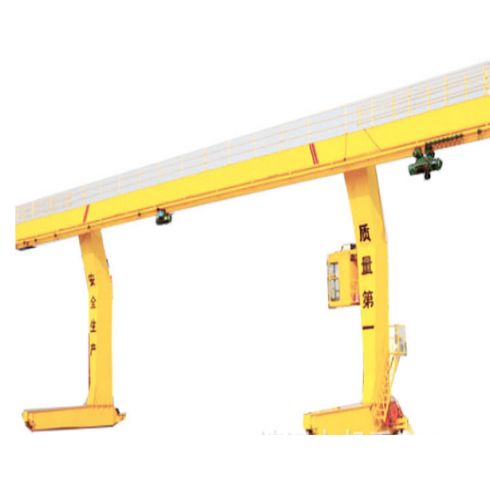
Table of Contents
1. Introduction to Gantry Cranes
Gantry cranes are overhead lifting machines designed to handle heavy materials in industrial environments such as warehouses, shipyards, manufacturing plants, and construction sites. Unlike bridge cranes fixed to building structures, gantry cranes are supported by legs that move along a fixed path or rails, offering flexibility in layout and transport. The primary purpose of gantry cranes is to enable precise, safe, and efficient lifting and movement of heavy loads.
This article provides an in-depth overview of gantry cranes, including technical specifications, industrial applications, and common user queries. By understanding these factors, businesses can optimize crane selection, operational efficiency, and workplace safety.
2. Gantry Crane Types and Industrial Applications
2.1 Types of Gantry Cranes
Gantry cranes are classified based on structure, mobility, and lifting capacity. The main types include:
- Single Girder Gantry Crane: Features a single beam and is suitable for lighter loads.
- Double Girder Gantry Crane: Uses two beams for heavy lifting applications.
- Portable Gantry Crane: Lightweight and movable, ideal for temporary or small-scale operations.
- Full Gantry Crane: Heavy-duty, capable of lifting extremely large and heavy loads in industrial sites.
2.2 Industrial Applications
Gantry cranes are widely used in various industrial sectors due to their versatility:
- Manufacturing Plants: For moving raw materials, components, and finished products efficiently.
- Shipyards: For lifting ship components, heavy machinery, and construction materials.
- Warehouses and Logistics: For loading and unloading containers and managing storage systems.
- Construction Sites: For handling steel, concrete structures, and other heavy construction elements.
3. Detailed Gantry Crane Specifications
Below is an overview of technical parameters for standard industrial gantry cranes:
| Parameter | Specification |
|---|---|
| Load Capacity | 5 to 100 tons (customizable based on industrial requirement) |
| Span Width | 10 to 35 meters |
| Lifting Height | 5 to 25 meters |
| Power Supply | 3-Phase 380V/50Hz (or customizable) |
| Travel Speed | Hoist: 10-20 m/min, Trolley: 20-40 m/min, Crane: 10-30 m/min |
| Operational Temperature | -20°C to +50°C |
| Material | High-strength steel, anti-corrosion treatment available |
4. Frequently Asked Questions About Gantry Cranes
Q1: How to select the appropriate gantry crane for specific industrial applications?
A1: Selection should consider load capacity, span width, lifting height, operational environment, and budget. A detailed analysis of production workflow and materials handling requirements ensures optimal crane performance and safety.
Q2: How often should gantry cranes be inspected and maintained?
A2: Routine inspections should be conducted daily for operational safety, monthly for mechanical checks, and annually for detailed structural and electrical assessments. Maintenance logs are essential for compliance and longevity.
Q3: How to ensure the safety of gantry crane operations?
A3: Safety measures include operator training, load testing, installation of limit switches, use of anti-sway devices, and adherence to local industrial safety standards. Preventive maintenance reduces accident risks.
Q4: How to optimize gantry crane efficiency in a warehouse environment?
A4: Optimize layout for minimal travel distance, implement automated control systems if possible, schedule lifting operations during off-peak hours, and train operators to coordinate load movements efficiently.
5. Conclusion and Contact Information
Gantry cranes are indispensable tools for heavy material handling across multiple industries. By understanding the types, specifications, and operational considerations, businesses can select a crane that maximizes efficiency and safety. For premium gantry crane solutions, FYL offers customizable options to meet industrial needs. Detailed consultation ensures the selection of the right crane model for specific operational requirements.
Contact FYL today to explore professional gantry crane solutions tailored to your industrial applications.